
How could the proposed ban on protesting against animal testing impact Scotland?
The House of Lords Vote
Yesterday, on the 21st of January 2026, the House of Lords was set to vote on whether to reclassify animal testing sites as ‘key national infrastructure’, which would effectively ban protesting outside labs conducting animal testing. However, due to opposition, the vote has been rescheduled and a full debate must now take place in the main chamber of the House of Lords. The rescheduled date is yet to be announced but Animal Concern regards it as promising sign that the vote has been delayed, as it shows that Parliamentarians have significant concerns about the proposals.
The Right to Protest in the UK
In recent years, the right to protest has been significantly eroded in the UK. In 2022, the Police, Crime, Sentencing and Courts Act was passed and gave the police in England and Wales more powers to restrict protest marches and demonstrations by introducing harsher penalties for protestors. Last year saw the proscription of Palestine Action as a terrorist group, which has led to the interrogation of activists who have no ties to the organisation, but who have protested Israel’s genocide in Gaza, significantly impacting the public’s abilities to oppose genocide.
Banning Protests at Animal Testing Sites
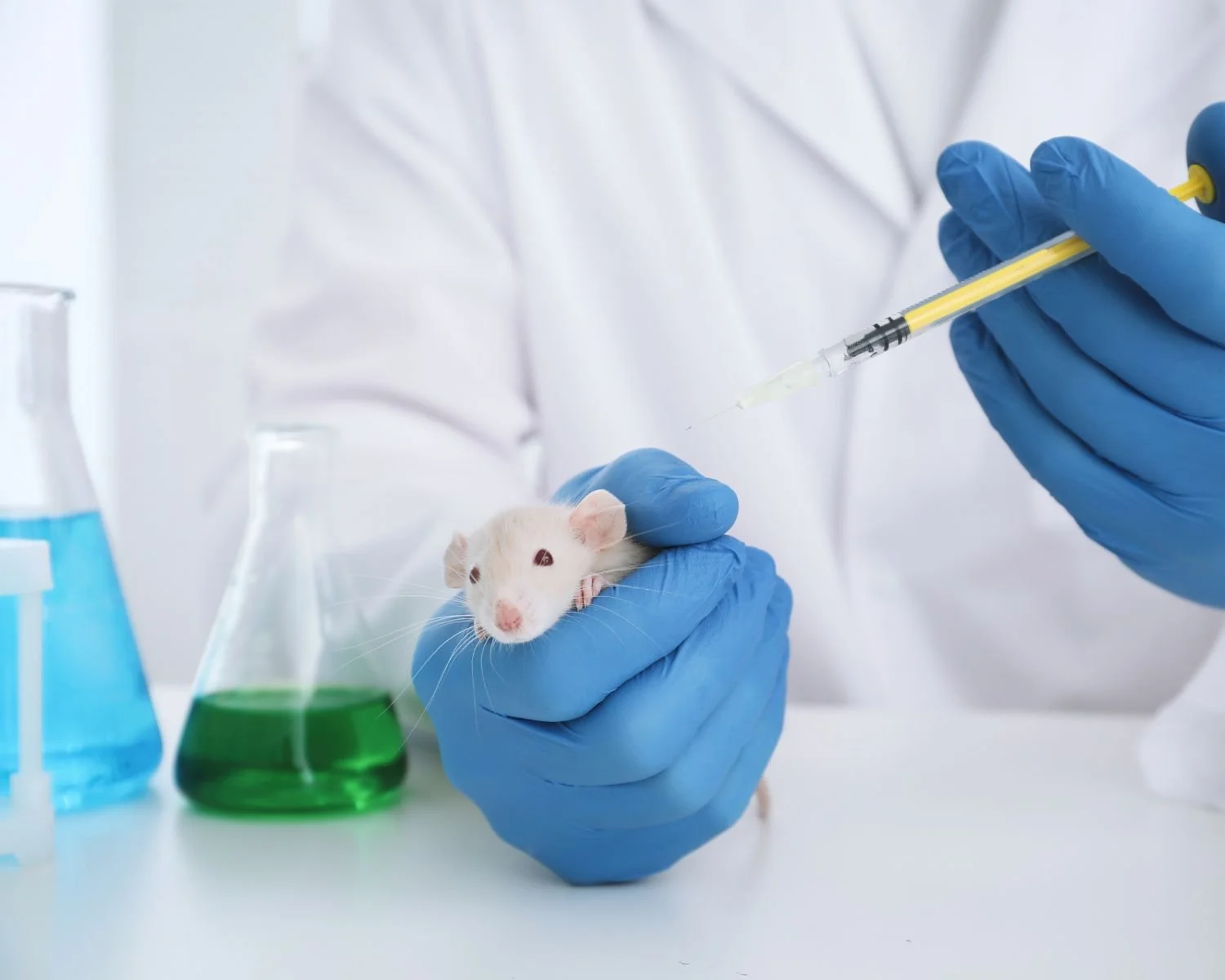
The latest decision in a string of actions taken to restrict the right to protest has targeted the ‘life sciences’ sector, which could thereby lead to a ban on protesting outside animal testing sites. On the 14th of January, the House of Commons voted to reclassify ‘life science infrastructure’ as ‘key national infrastructure’ under section 7 of the Public Order Act (‘POA’) 2023, putting animal testing sites in the same category as airports, power stations, and major roads. A shocking majority of 301 MPs voted for the amendment, with only 110 voting against it.
As part of this change to the law, the Government is planning on adding a new s8(16) which defines ‘life sciences infrastructure’ as “infrastructure […] used for or in connection with activities authorised by a licence under the Animals (Scientific Procedures) Act 1986”, suggesting that the Government is directly targeting animal testing sites and protecting their interests over the public’s right to protest.
The Law
Labour MP Sarah Jones cited possible disruption caused by protests that could undermine the state’s ability to prepare and respond to a pandemic as the reason that the change to the legislation was proposed. While Articles 10 and 11 of the European Convention on Human Rights (the rights to freedom of expression and peaceful assembly, respectively) allow for legislative restrictions that “are necessary in a democratic society” and “for the protection of health”, reclassifying ‘life sciences infrastructure’ as ‘key national infrastructure’ seems disproportionate.
Lawyers for Animals warn that lumping animal testing sites in with ‘key national infrastructure’ is a dangerous overreach. Under the POA 2023, ‘key national infrastructure’, encapsulates transport, energy, and communications sites. Disruption to these could directly hinder the public’s ability to go about their lives.
To put the latest proposed amendment into perspective, protesting at a lab which carries out animal testing would be treated the same as purposefully blocking a road during a protest under the POA 2023, despite the former having much less of an impact on the day-to-day lives of the public.
Impact on Scotland
So how might this change to the law affect Scotland?
Provisions within the POA 2023 regarding the policing of protests build on public order provisions introduced by the Police, Crime, Sentencing and Courts Act 2022, an Act which only applies to England and Wales. As justice is a devolved matter in Scotland and the Scottish Government declined an offer from UK Ministers to extend the powers introduced by the POA to Scotland, most of the provisions contained within the two aforementioned Acts do not apply to Scotland, aside from a small number of amendments concerning historic provisions on transport and military property in Scotland. Therefore, it is unlikely that the Scottish Government, if it is given the opportunity to, would agree to extend the law change surrounding protests at animal testing sites to Scotland.
Next Steps
Despite the fact that the amendment is unlikely to apply in Scotland, peaceful protesters in England and Wales, including Scottish people travelling to protests South of the border, could still face serious criminal sanctions, including up to a year in jail, for protesting against animal testing.
This move will significantly impact and harm the operation of animal welfare organisations and animal rights activists, particularly in England and Wales. Animal Concern calls on the Government to protect our fundamental right to protest and put animal’s rights ahead of the interests of organisations practicing animal testing.
However, all hope is not lost. Lawyers for Animals intend to challenge the Government’s decision to reclassify animal testing sites as key infrastructure and have launched a crowdfunder to help with the costs of bringing legal action. Supporters can also let the House of Lords know that they oppose plans to designate ‘life sciences’ as ‘key national infrastructure’.