Helium Balloons & Sky Lanterns
Out of sight, out of mind
Balloons and sky lanterns don't disappear when they're released.
They eventually return to land or water, where balloons, ribbons, strings and lantern components can become dangerous litter. Animals can ingest them, become entangled in them or be frightened into injuring themselves. Sky lanterns carry the additional risk of fire.
Animal Concern is campaigning for an end to deliberate balloon and sky-lantern releases across Scotland.
Animals have ingested the debris, causing damage to the throat, stomach and intestines and leading to a slow, painful death.
Marine life and birds can become entangled in the balloon ribbon or trapped inside the lantern, stopping them from moving, resulting in death. A seal pup died in 2023, after becoming entangled in balloon ribbons.
Once this floating litter is released into the sky, it can land anywhere. While farmers or others might come across livestock and be able to save them from mistakenly ingesting a balloon, any wildlife that becomes entangled or ingests the litter will suffer a slow painful death.
Unfortunately, these are things most people don’t think about when they release helium balloons or sky lanterns.
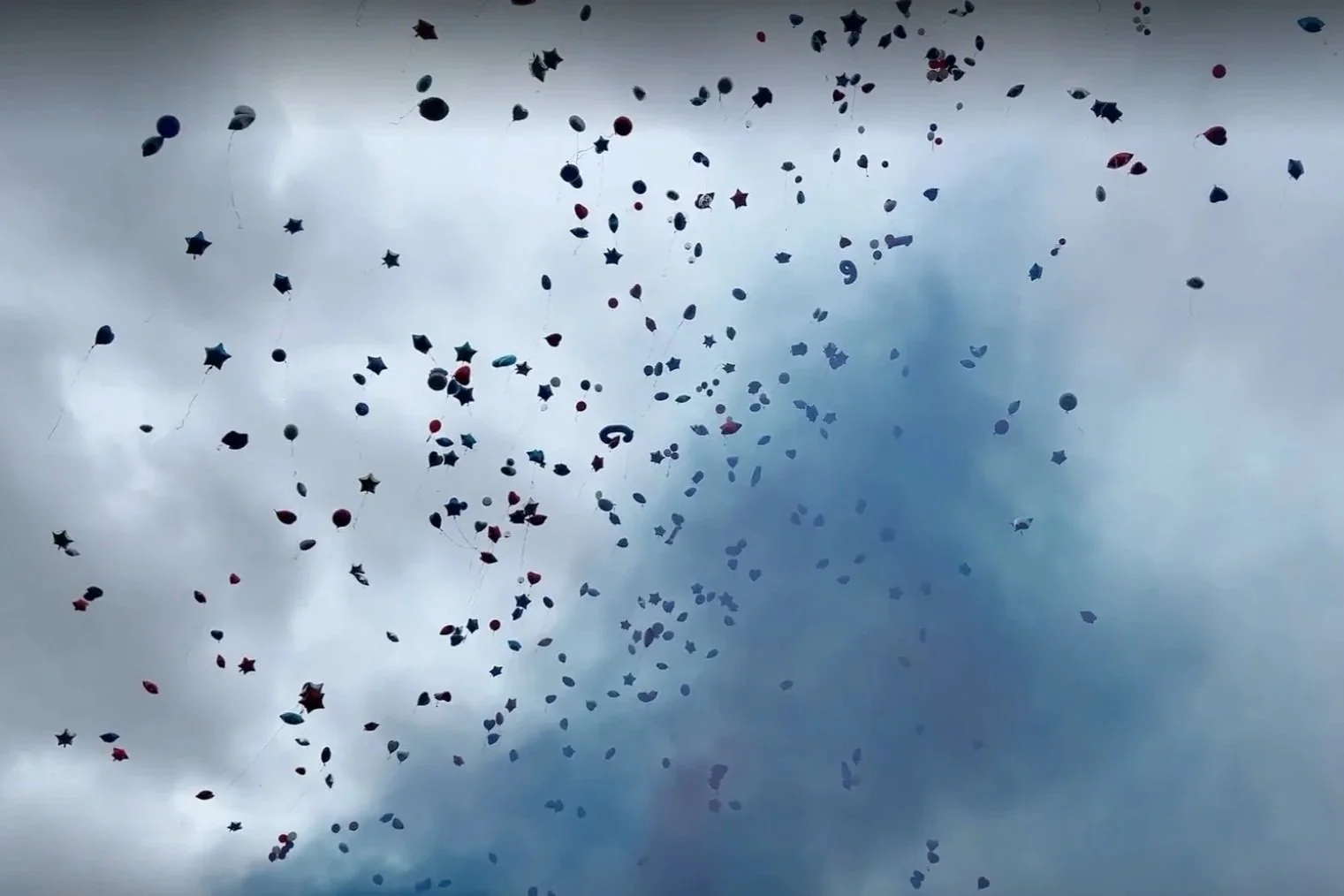
Hundreds of balloons were released in Falkirk, June 2026 in memory of a young man.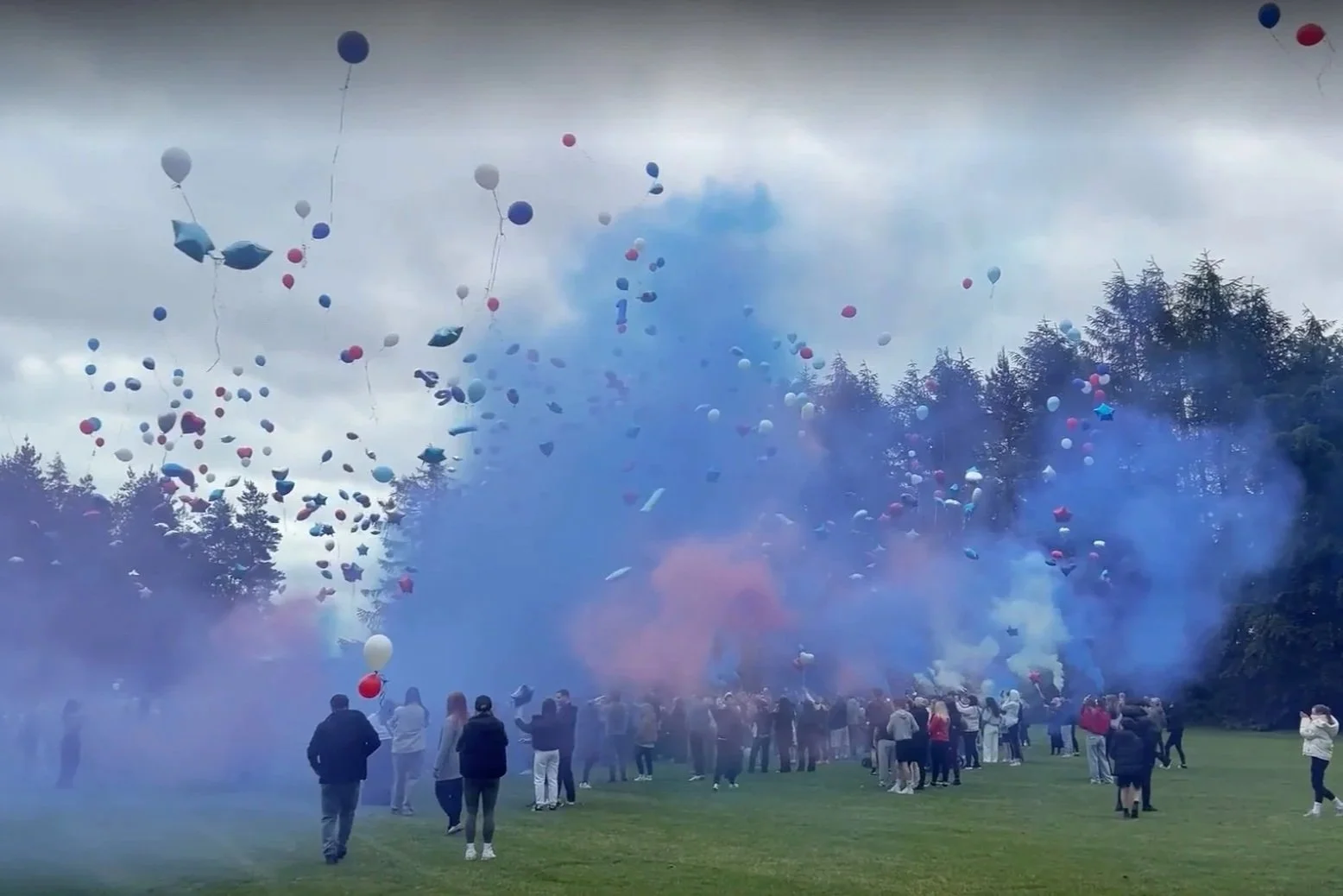
Helium Balloons
Balloons can float on the air for days. There is no control over where they go. What we do know is they always land somewhere.
And once they do - not only is it littering, but they become a danger to wildlife, farmed animals or companion animals that may happen to find them first.
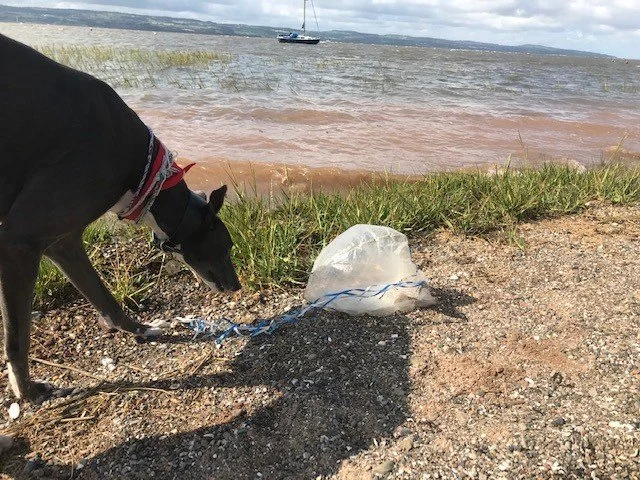
Such examples include:
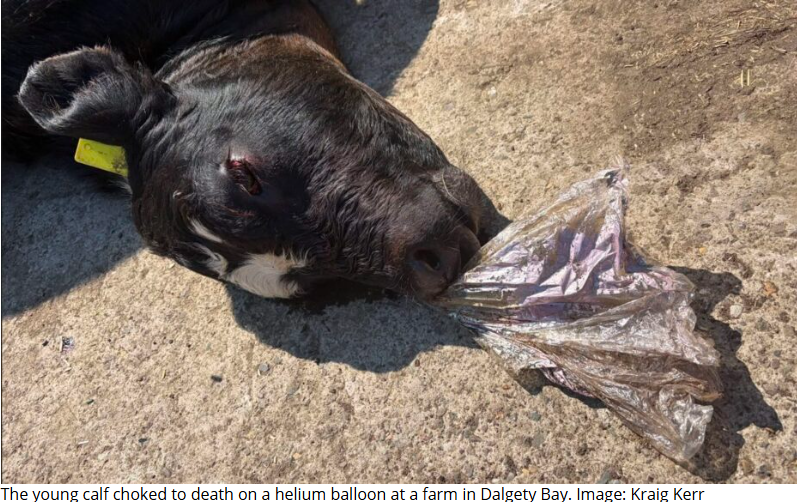
A young calf suffocated on a deflated helium balloon which had landed in its enclosure on a farm in Kent in 2015 - see image on right. The farm owners, the Burden family, have also said they have lost lambs in the same way. Such tragedy is entirely preventable.
We’ve seen the same preventable tragedy again, with Lisa the 6 month calf, who died in Beckingham after ingesting a balloon in 2020.
A 5ft birthday balloon released in Belfast, Northern Ireland, travelled 50 miles across the sea to Glenluce, Scotland, onto farmland where it was picked up by a young calf. Luckily, the farmer noticed his animal choking in time to pull the balloon out.
Not as lucky was a bullock found dead on a farm in County Durham, whose post mortem revealed a slow and painful death caused by blockage of the oesophagus by a helium balloon.
The turtle is seen here with the string passing through its body and a piece of the purple balloon still attached. Most recently, a 3 month old calf was found dead on a farm in Fife, having asphyxiated on a deflated helium balloon that had landed in its field.
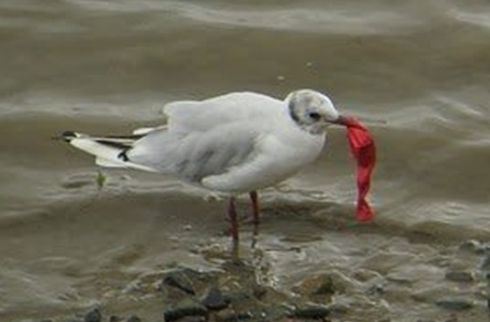
Gull ingesting deflated balloon.
The documented cases are unlikely to represent the full scale of the problem. There is no central UK reporting system for balloon- or sky-lantern-related animal incidents, and wildlife deaths may never be discovered or recorded.
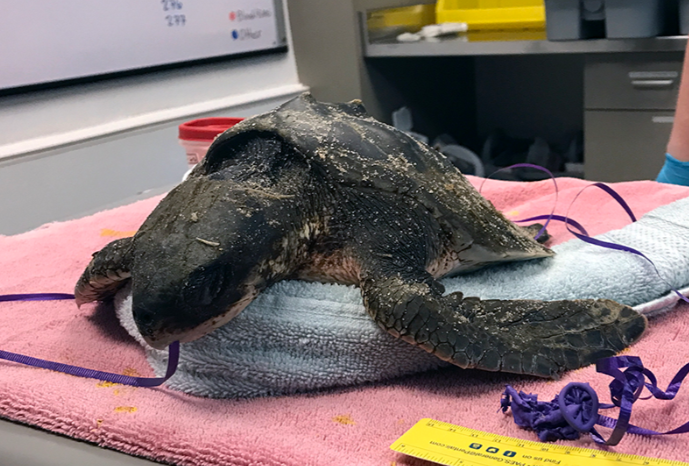
Image credit: New England AquariumIf ingested, the balloon can do irreparable and often fatal damage to an animal’s oesophagus and digestive tract and can cause suffocation.

Sky Lanterns
These collections of latex, plastic, bamboo, paper, cardboard and metal wiring crash back down to earth, disturbing and damaging wildlife habitats. In the case of lanterns, the best we can hope for is that its flame has extinguished before landing. If it’s still lit, obviously this poses a major fire safety risk to landscape, animals and humans alike.
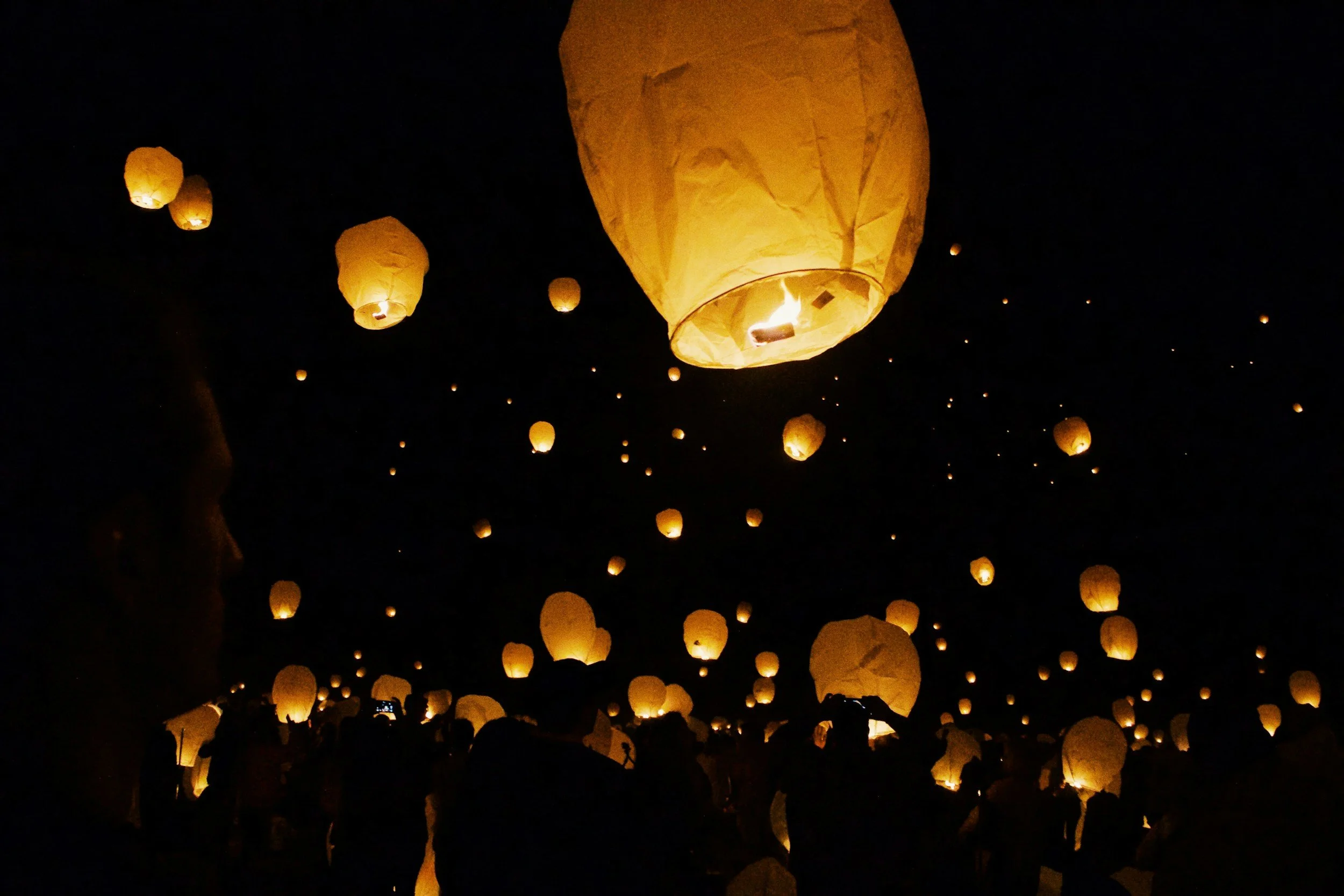
By any standard, the release of these man-made objects into the sky, in the knowledge that they will land somewhere unknown, can only be described as littering. Animal Concern believes deliberately releasing an object that will inevitably return as uncontrolled waste should be recognised and regulated as airborne litter.
Lanterns, essentially mini hot air balloons, can fly up to 3,000ft and travel for up to 30 minutes on the wind before crashing back to the ground. We have no control over where that will be.
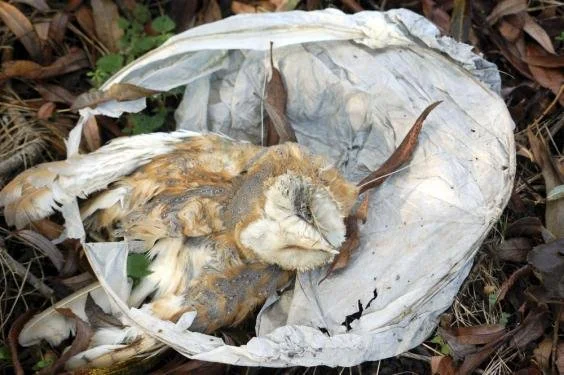
The 2017 death of a barn owl, helplessly caught in sky lantern debris, is only one of countless cases of death and damage left in the wake of sky lantern releases.
In 2018, a sky lantern release ended in a horse being set on fire - culminating in the loss of its tail, vital for horse communication. and horrific burns to its legs.
In 2020, at least 30 animals were killed at a zoo in Krefeld, Germany in a fire caused by a lit sky lantern landing in an enclosure at New Year.
In 2020, pedigree bull, Crugmelyn Brenin, was killed by a fallen lantern at Kilbride Farm in Co Antrim.
Our campaign
Even once every single Scottish local council has implemented their own bans, these can only ever apply to council-owned land.
They do not have the power to ban them entirely.
This is why, in addition to supporting local councils, we are calling on the Scottish Government to recognise the good work done by local government so far, and help them take it one step further by legislating against both sky lanterns and helium balloons from all public and private land across Scotland.
Using this collective impetus, we have approached the Scottish Government to convince them that the local authorities are in favour of a national ban and have done all they can to eliminate these potential risks to animal wellbeing and the natural environment.
This campaign has already seen some success with a ban being adopted by numerous councils in Scotland.
You can help us rid Scotland of these needless floating threats by lobbying your MSP and the government.
More on this campaign in the links below;
North Lanarkshire Council to Vote on Sky Lanterns Ban — Animal Concern
“Are sky lanterns and helium balloons really a problem?” — Animal Concern
Sky lanterns & helium balloons — Animal Concern
Recent media hits — Animal Concern
Press release: Scottish Borders ban sky lanterns and helium balloons — Animal Concern
We are also petitioning venues that host events that might involve the release of balloons or sky lanterns, asking them to sign up for our pledge to be “Animal Friendly” venues. Contact us if you know a venue that we should approach. Equally, if you’re a venue that wishes to sign our pledge, please fill out our form here: Wildlife Friendly Venue Pledge – Fill in form.
Please share our posts on social media to help educate others, and consider donating towards our campaign, or signing up to join our efforts. You can find out how at the links below:
Alternatives
There are plenty of less harmful ways of celebrating a loved one’s life.
A music event can bring people together in a meaningful way, candlelight sessions, planting trees together, throwing native seed balls, reusable luminaries, laser projections, a safely lit campfire, eco-friendly glowsticks, bubbles, natural confetti, string lights, kites, fixed balloon displays, and eco-friendly buntings or garlands are all animal friendly alternatives.

We have created a directory of small Scottish businesses, to offer ideas for further celebrations and memorials.