
MPs shed light on horrifying animal testing incidents during debate
“In the current system, legally sanctioned animal suffering is compounded by systemic regulatory failure.” — Michael Wheeler MP
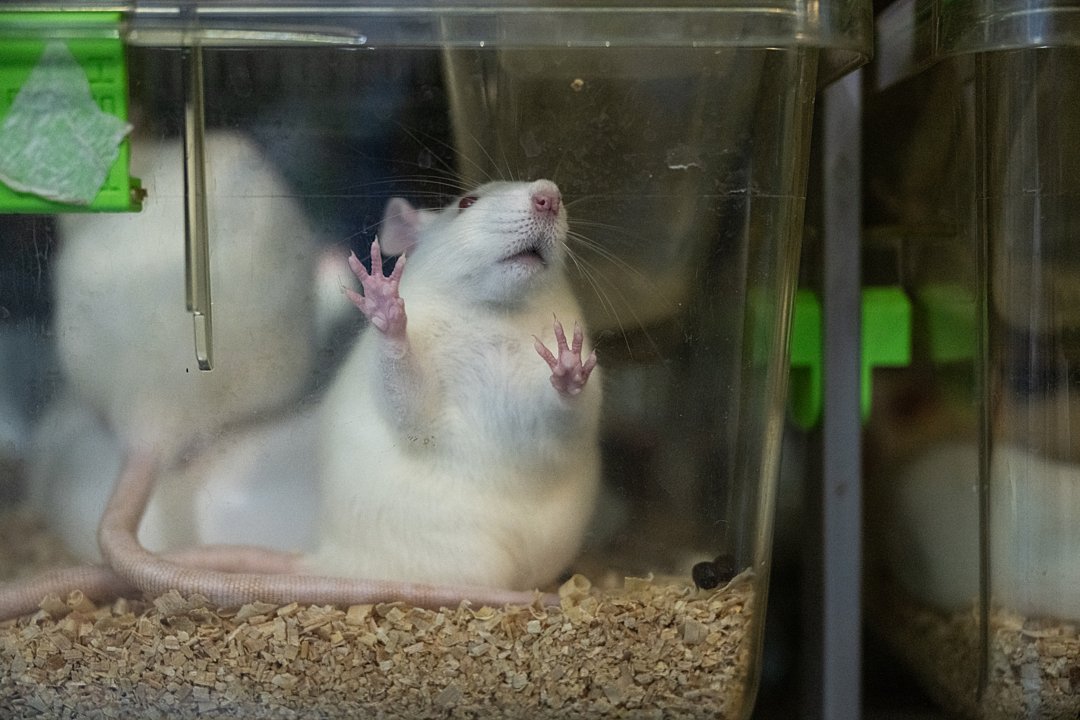
Last month, the House of Lords debated non-compliance animal testing incidents in laboratories. The discussion centred around what happens when the limited protections put in place to protect animals in testing facilities are not upheld.
Michael Wheeler MP, who brought the debate, said: “The stark reality… is that more than 5 million animals have been approved for use in experiments over the coming years. Behind that large headline figure lie individual cases that are often deeply distressing, such as primates being subjected to invasive brain surgery.”
Irene Campbell MP drew attention to the serious consequences of regulatory failure during the debate, saying “Reports have shown animals accidentally crushed in a compacter, a primate dying after being trapped in a cage unnoticed, animals falling out of a vehicle and being lost, and many dying of thirst or hunger or drowning in flooded cages.” These are just a small number of the horrific fates suffered by animals that are subjected to testing.
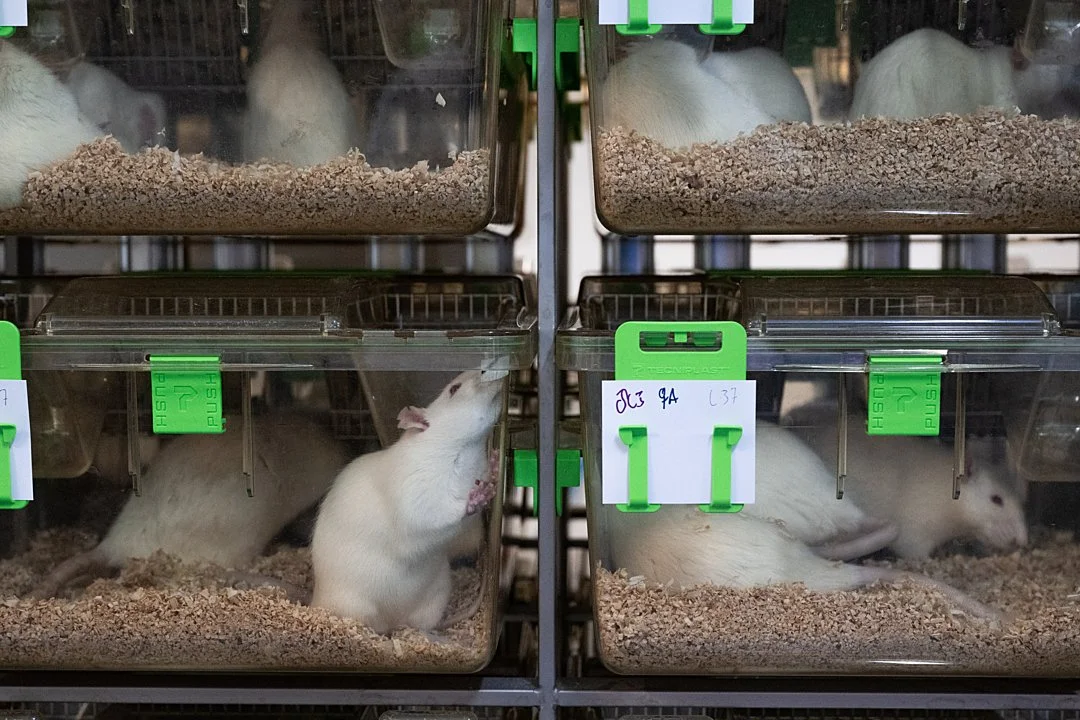
Concerns were raised over the operation of the Animals in Science Regulatory Unit (‘ASRU’), which is tasked with licensing animal experiments and ensuring compliance with the Animals (Scientific Procedures) Act 1986, with Michael Wheeler MP noting that in 2024 there were 146 recorded cases of non-compliance in UK laboratories, involving more than 22,000 animals.
Jim Shannon MP noted that increased inspection rates could reduce non-compliance, a sentiment which Michael Wheeler MP agreed with but noted that the issue is much more entrenched. He then drew attention to the fact that the system disregards animal welfare and continues to employ controversial methods, such as LD50 and forced swim tests, which the Government acknowledges are dated and with limited value.
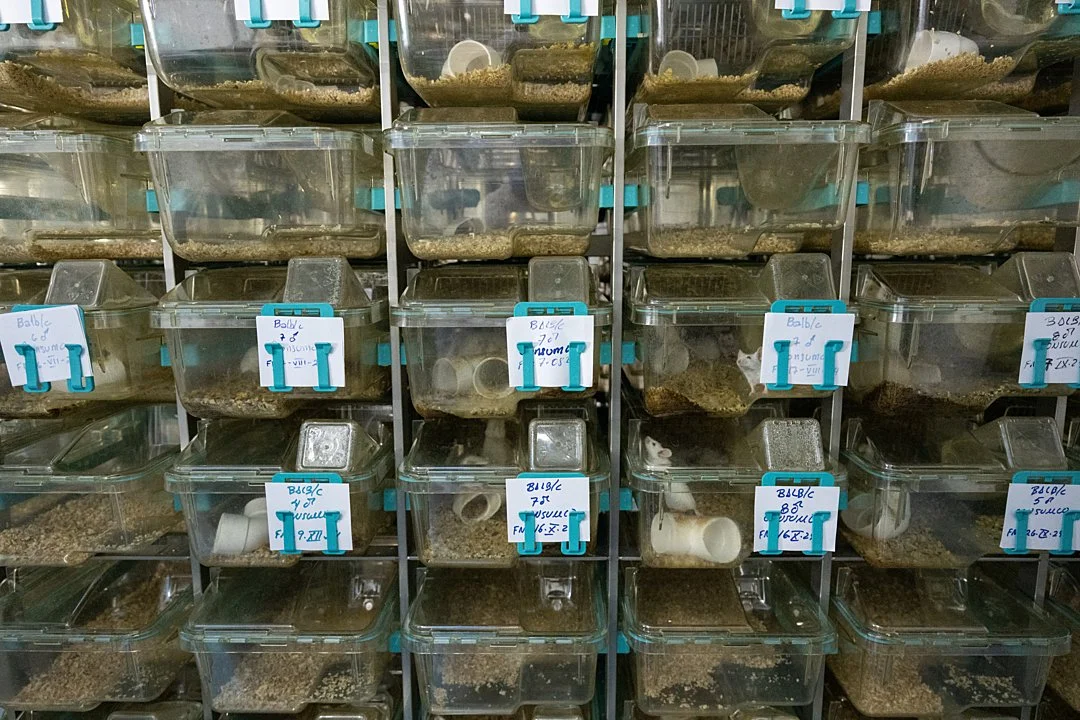
Alternatives to animal testing were another key focus of the debate, with MPs calling for more investment in the development of human-specific technology and better compliance with existing regulations which require that alternatives to animals be used wherever possible.
The UK Government’s ‘Replacing animals in science strategy’ was referred to throughout the debate, with some urging the Government to go further with their plans to phase out animal testing, in order to enable a full and sustainable transition from animal testing to more human-specific methods. Animal Concern has previously analysed the Government’s strategy and concluded that more has to be done to ensure that animal testing is phased out.
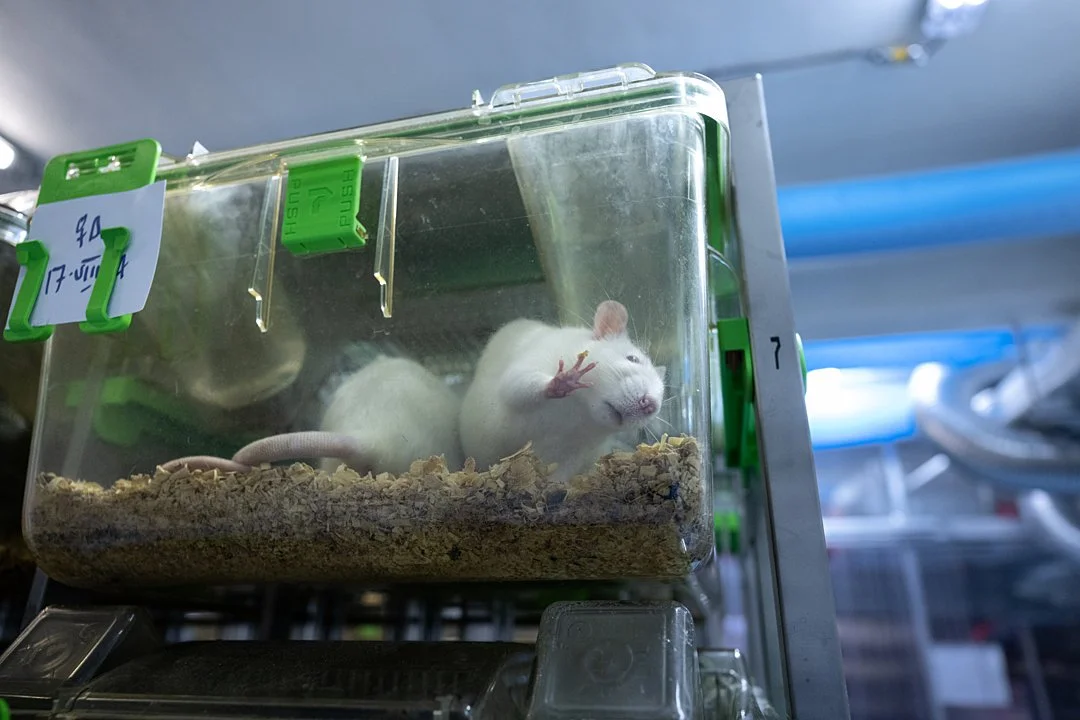
Steve Race MP’s Herbie’s Law, or the Human Specific Technologies Bill, was also referred to multiple times during proceedings. Named after a beagle who was bred for laboratory testing but saved before being tested on, the Bill will provide a framework to phase-out animal testing and replace it with human-specific technologies by 2035. Legal experts have prepared a draft of the Bill, which has been published by Animal Free Research UK.
Animal Concern commends Michael Wheeler MP and others for bringing attention to this urgent and troubling issue. It is clear that, despite there being regulations in place to combat unnecessary harm to animals in testing, these do not go far enough and are not properly implemented. As stated during the debate, more investment in the development of alternatives to animal testing, better enforcement of the law and regulations, and a clear timeline are very much overdue.