
Next steps for the end testing on dogs and other animals petition
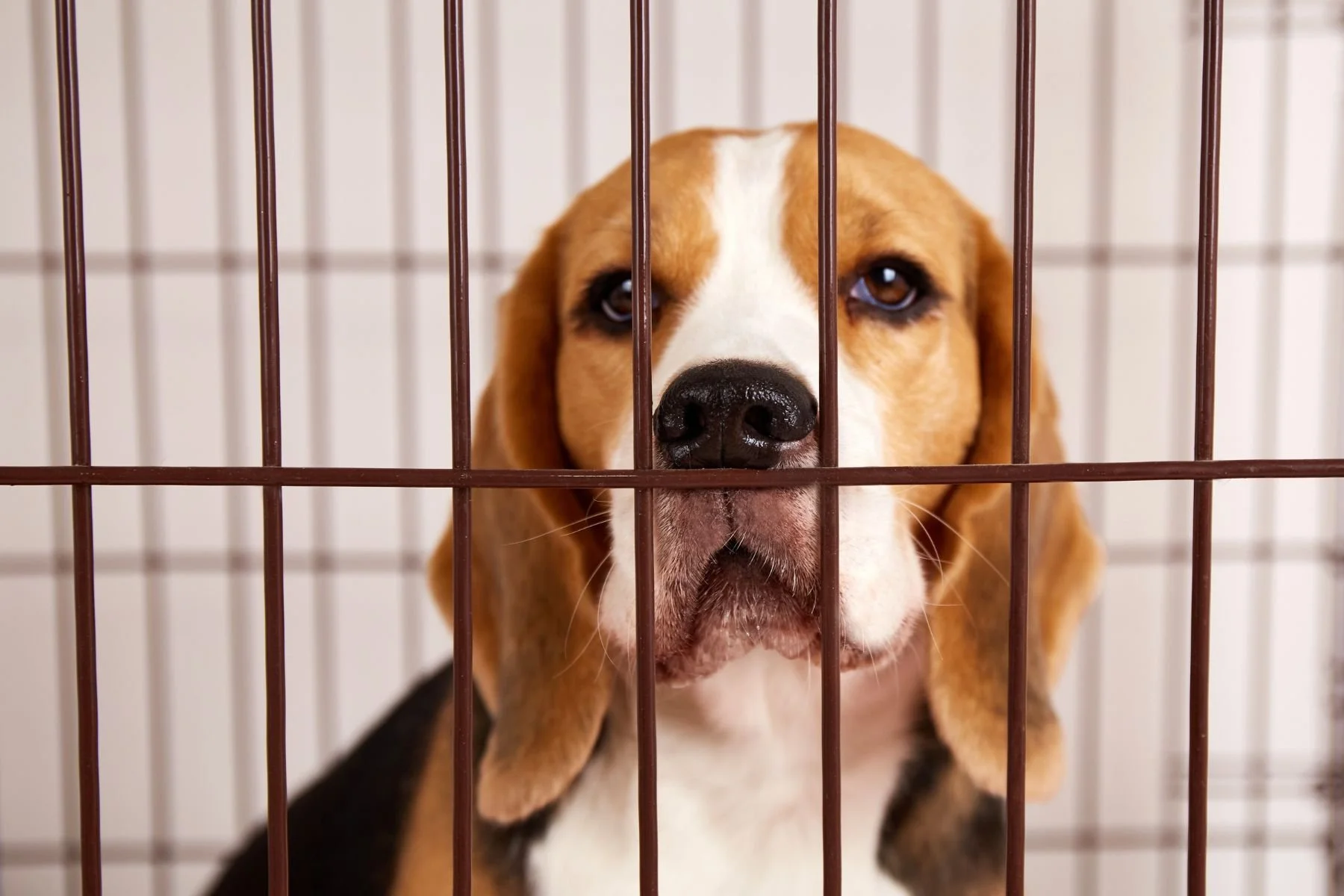
Last November 2025, Maria Iriart, long time campaigner for Camp Beagle and for seeing an end to animal testing, launched the government petition ‘End testing on dogs and other animals for development of products for human use’. In just a few months it reached over 100,000 signatures and is now awaiting a debate date to be scheduled by the UK Parliament.
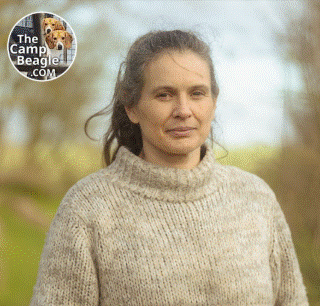
Pictured: Maria Iriart
This crucial petition has reached a significant milestone, signifying strong public opposition to animal testing, but the campaign has not yet been won. So how does the petition process work and what can we expect in the coming weeks?
The Petitions Committee
Once a petition reaches a certain amount of signatures, the Petitions Committee deliberates what actions should be taken next. The Committee consults Government ministers and experts on the issues raised by the petition and updates petitioners on progress and may seek information from the Government before scheduling a debate.
The Petitions Committee is a cross-party group of MPs in the House of Commons that is tasked with overseeing UK Parliament petitions. The current Petitions Committee members can be viewed on the UK Parliament website.
The Debate
When a petition reaches 100,000 signatures, the Committee considers whether a debate is warranted in their view. If the Committee decides to schedule one, it decides the format, timing, and location of it. Debates usually take place in Westminster Hall, allowing MPs to voice concerns and opinions on it. Although proceedings do not automatically alter the law, they provide a medium for MPs to apply pressure to ministers and make the public’s views heard.
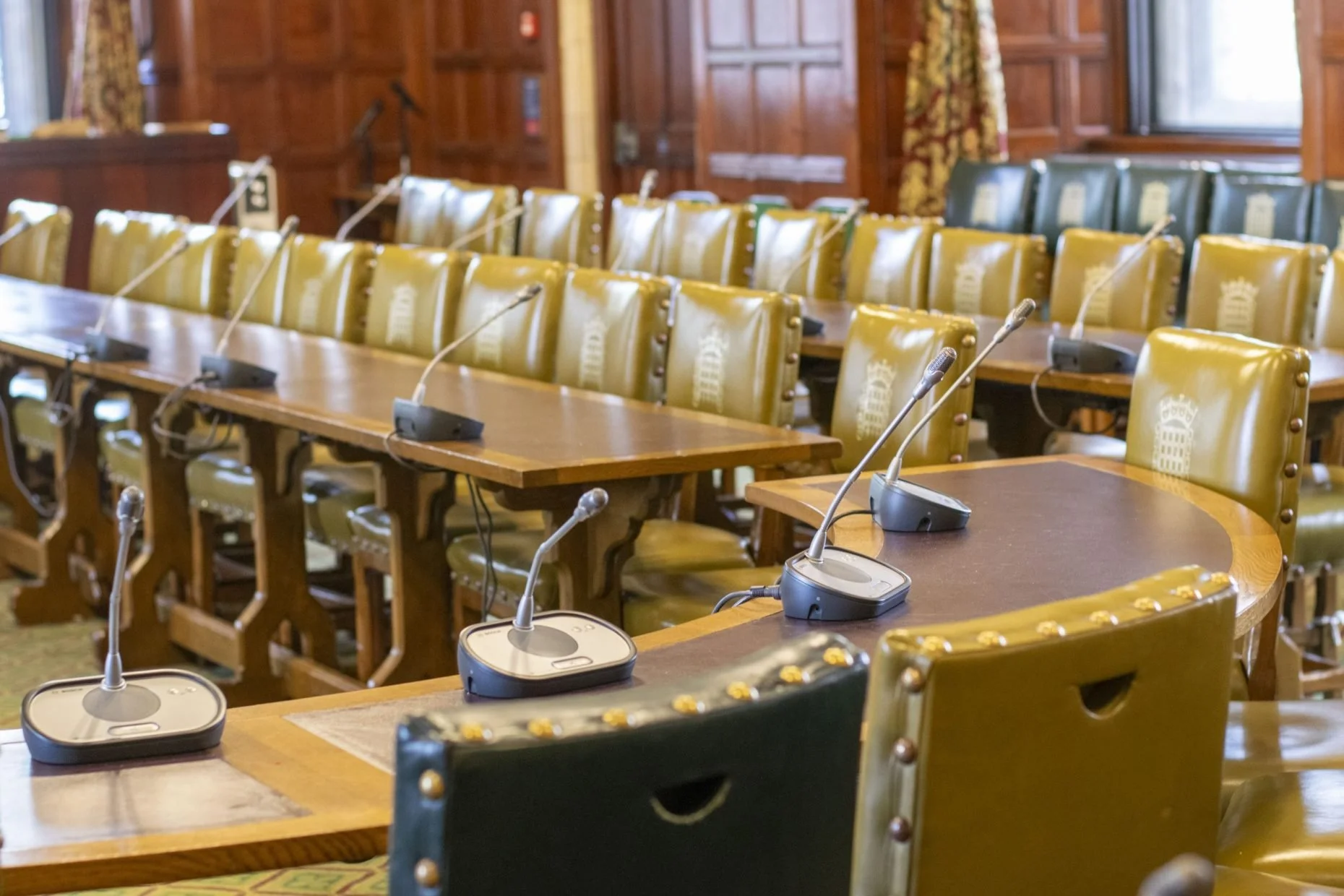
Pictured: The Grand Committee Room at Westminster Hall
Maria Iriart, who created the petition, may be invited to engage in discussion with MPs or government ministers, or to give evidence to a select committee. The Petitions Committee may consult with any other individuals or groups to inform its deliberations.
MPs who wish to speak during the debate, have to apply to do so. The Speakers Office then selects who can participate, with most receiving approval as sufficient time is usually allocated to debates. All petitions include an intervention from the relevant Minister (and Shadow Minister) and are opened by a member of the Petitions Committee. The Committee member can speak for or against the petition. Proceedings then move to contributions from back benchers, contributions from the two main Opposition parties, and a final response from a minister. The Committee member who opened the debate usually closes proceedings with a short summary.
Debates are live-streamed and available to watch on Parliamentary TV. It is also possible to attend in person, with places in the public gallery issued on a first come, first served basis.
What can you do?

Animal Concern urges supporters to sign and share the petition far and wide. You can use Camp Beagle’s e-action tool to send an automatic email to your MP, urging them to support the petition to end animal testing. It is crucial that the public shows MPs how many people want to bring an end to testing on animals.
For a more in depth analysis of the petition process, read Camp Beagle’s article on the Petition Debate.