Last weekend, Animal Concern attended a screening of a film exploring the history of Clydesdale horses at the very fitting location of The Kelpies in Falkirk - home to the world’s largest equine sculptures. The film forms part of an ongoing series by the Equine Legacy Project, a team of filmmakers working to raise awareness of endangered horse breeds around the world.
As Animal Concern continues our campaign to end the routine shaving of heavy horses’ tails, we took the opportunity to raise awareness of this issue with members of the public and the wider equine community in attendance.
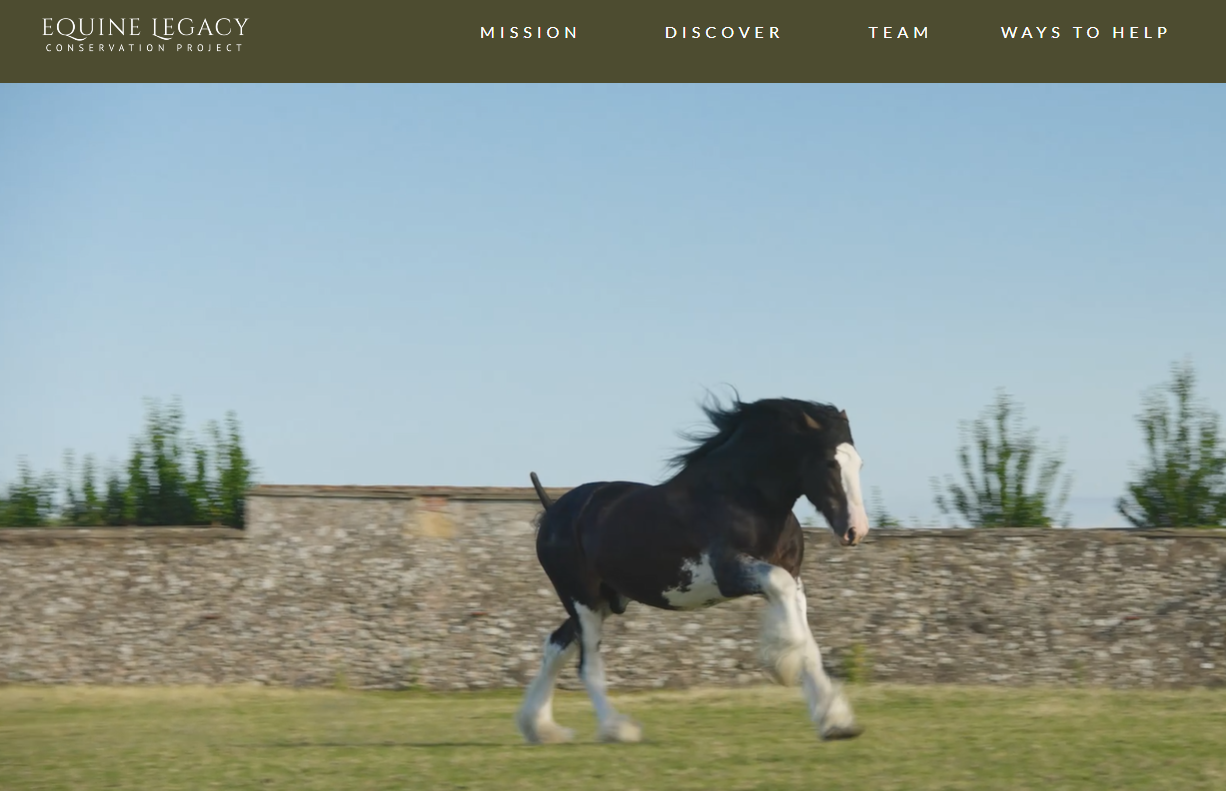
Most of the Clydesdales featured in the film had their docks shaved bare.
As a reminder, it remains common practice for many Clydesdale and Shire owners to remove most their horses’ tail hair, thought to exhibit the historical docking of tails, which was once carried out to prevent hair becoming entangled in machinery when horses were used for agricultural work. Of course, that justification no longer applies, nor was it ever necessary, just convenient.
Horses rely on their tails for communication, protection against insects, and other important natural functions. Depriving them of this for cosmetic reasons is
unnecessary, unethical and outdated. This is an issue that has largely gone unchallenged for many years - and its high time that changed.
The film predominantly featured Clydesdale breeders and enthusiasts, and indeed most of the horses shown had shaved tails. The practice was described and referenced neutrally within the film. The filmmakers - a trio from the Netherlands - were present on the night to answer questions. When asked for their views, they stopped short of condemning the practice but stated that they believe it is always best to allow horses to remain as natural as possible.
We also made both the filmmakers and attendees aware - some of whom were very likely Clydesdale breeders themselves - that numerous equine welfare charities have stated opposition to the practice, and the Scottish Government is soon to issue guidance discouraging this practice. These conversations matter, especially in spaces where traditions are often accepted without question. Engaging directly with the Clydesdale community creates an important opportunity for dialogue and reflection on a practice that many may never have paused to question.
Encouragingly, we also met Clydesdale owners and enthusiasts who expressed support for our campaign. Let’s hope this is the beginning of a wider and much-needed conversation.
Following our submission to the petitions committee who considered the petition to ban the practice of tail shaving, we were informed by Minister Fairlie that the issue of tail shaving will be addressed in the guidance, stating that “best practice is not to shave the tail unless there is a veterinary/welfare reason to do so”.
Once the Equine Guidance is published (due this month), we will be ensuring that every heavy horse organisation and equine show judge is aware that they are going against best practice if they continue to shave off the majority of the horses’ tail.