
MPs overwhelmingly support bringing a swift end to animal testing
This afternoon, on Monday the 27th of April, MPs gathered in Westminster Hall to debate the ‘End testing on dogs and other animals’ petition. Representatives from parties on the left and right alike voiced concerns over the inaccuracy of animal testing, as well as the pain and trauma suffered by animals which are subjected to testing in UK laboratories.
MPs united on several key points:
Animal testing is unethical;
New Approach Methodologies (NAMs) are widely available and increasingly becoming a viable replacement;
Animals are subjected to pain and suffering in labs, despite wide recognition that they are sentient;
Herbie’s Law should be passed as a matter of urgency;
Regulation of animal testing needs to be reformed; and
Animal testing could be phased out much sooner than the Government contends.
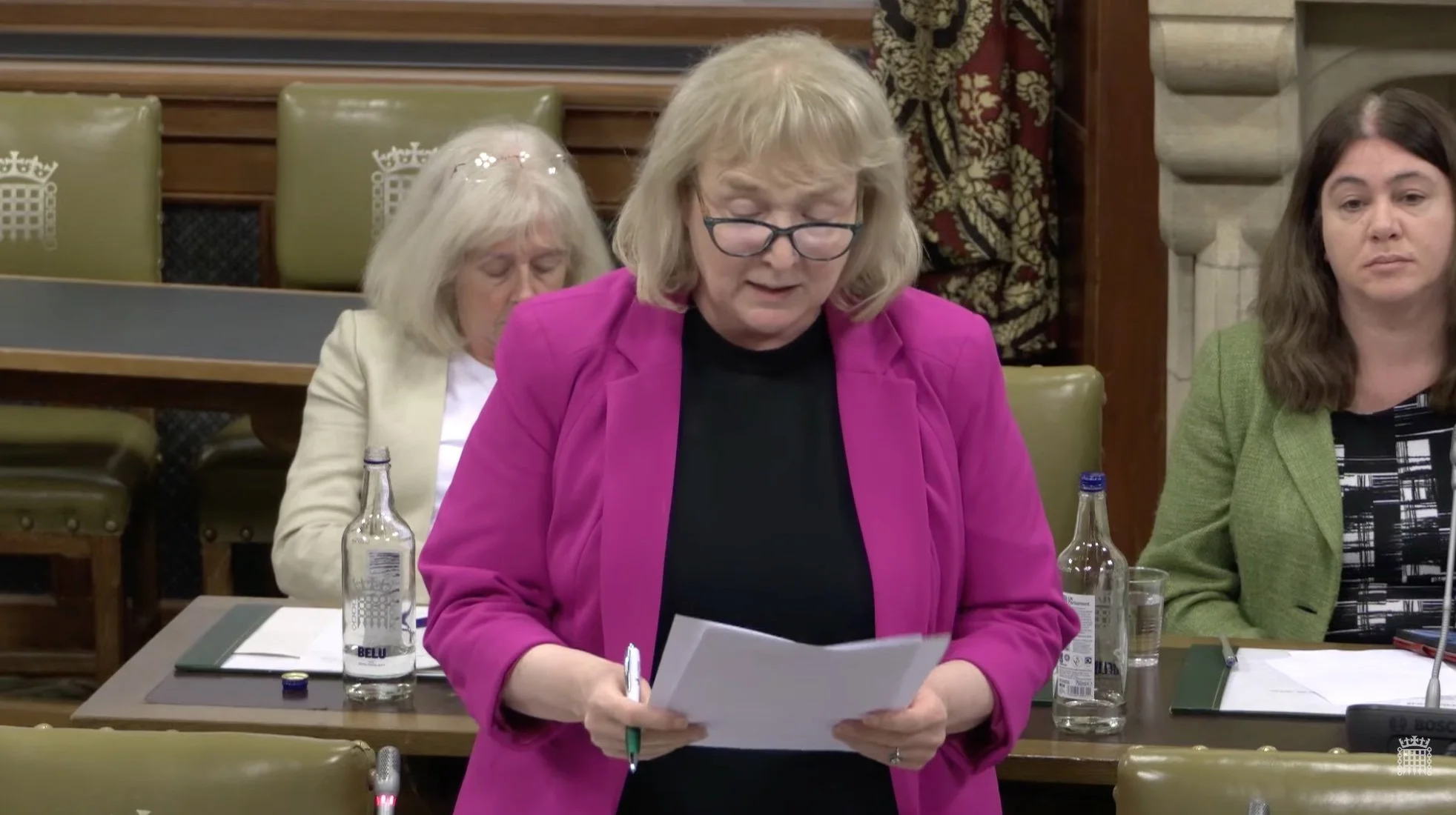
Irene Campbell MP via UK Parliament Livestream
Irene Campbell MP opened the debate, declaring her ongoing support and campaigning for animals, including her position as the Chair of the All-Party Parliamentary Group on Phasing out Animal Experiments in Medical Research. She used a quote from the debate on the Protection of Dogs Bill from 1927 to illustrate the glacial pace of phasing out animal testing: “Experiments on dogs may now be discontinued. All that can be found out by physiological experiments for application to human beings has long since been discovered, and repetitions are unnecessary and cruel.” Now, almost a century later, MPs discussed that very same sentiment, as animal testing is still being carried out in UK laboratories.
In her speech, Irene Campbell MP referred to the cruelty of forced swim tests and how they have limited scientific validity, repeatedly urging the Government to rescind the 3 licences granted in the UK for these tests which are set to run until 2028, as well as the likelihood of non-compliance incidents being higher than statistics, as they are currently required to be self-reported. Additionally, she noted that “it’s not only kinder but smarter” to transition away from animal testing, citing annual turnover in the NAMs industry, which has reached £1.2 billion, rising employment rates, and the fact that the sector could more than double in size by 2030, suggesting that more investment in this industry would be hugely profitable for the UK.
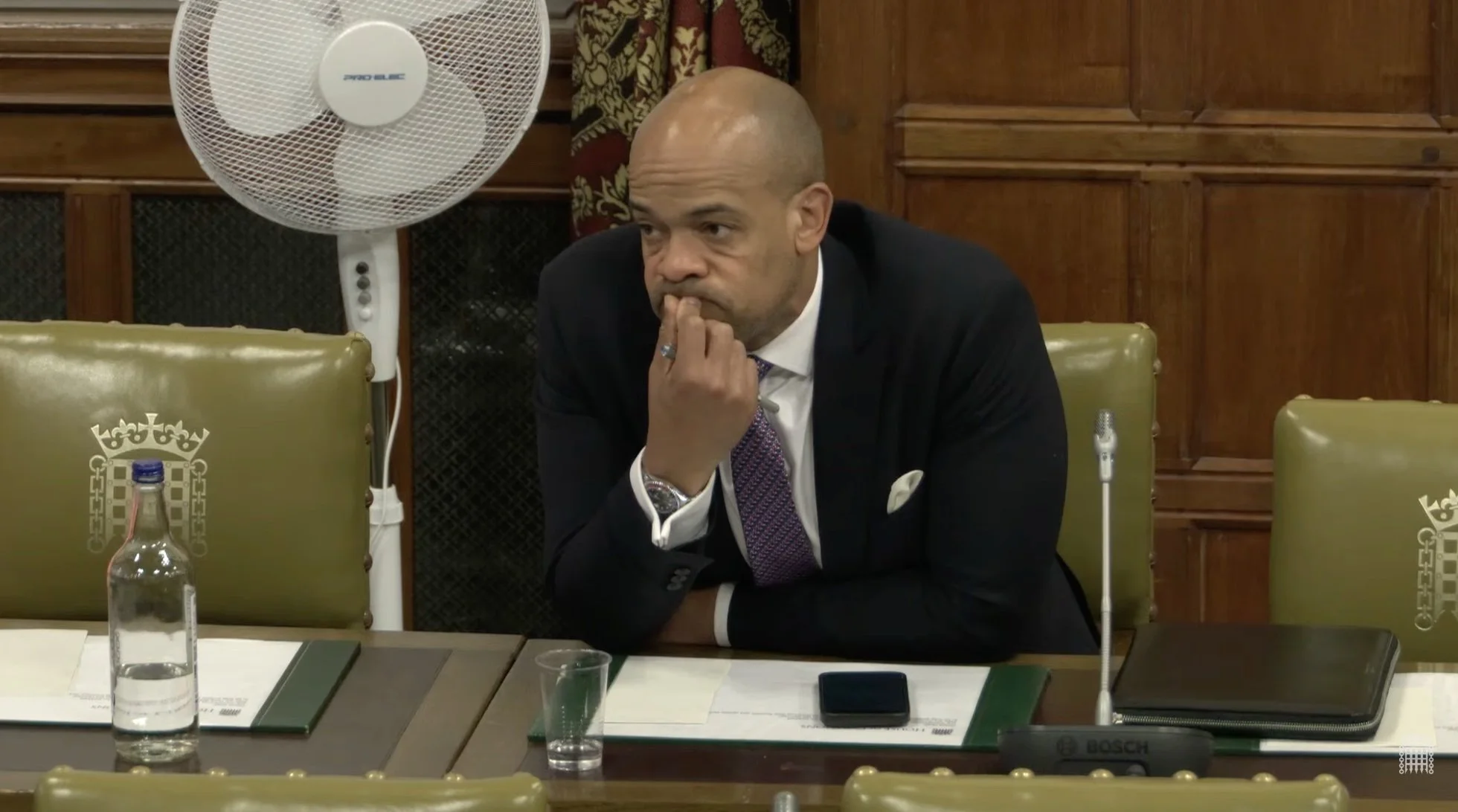
Ben Obese-Jecty MP via UK Parliament Livestream
Ben Obese-Jecty, the MP for Huntington, where MBR Acres and Lab Corp are situated, mentioned that he has visited the facilities, and witnessed macaques watching Disney cartoons to keep them occupied in labs. He also voiced his alarm over the recent changes to the Public Order Act 2023 to re-classify the life sciences sector as national infrastructure, thereby effectively criminalising protest outside animal testing facilities, a move which he believes was a direct effort to curb campaign activities like those carried out by Camp Beagle.
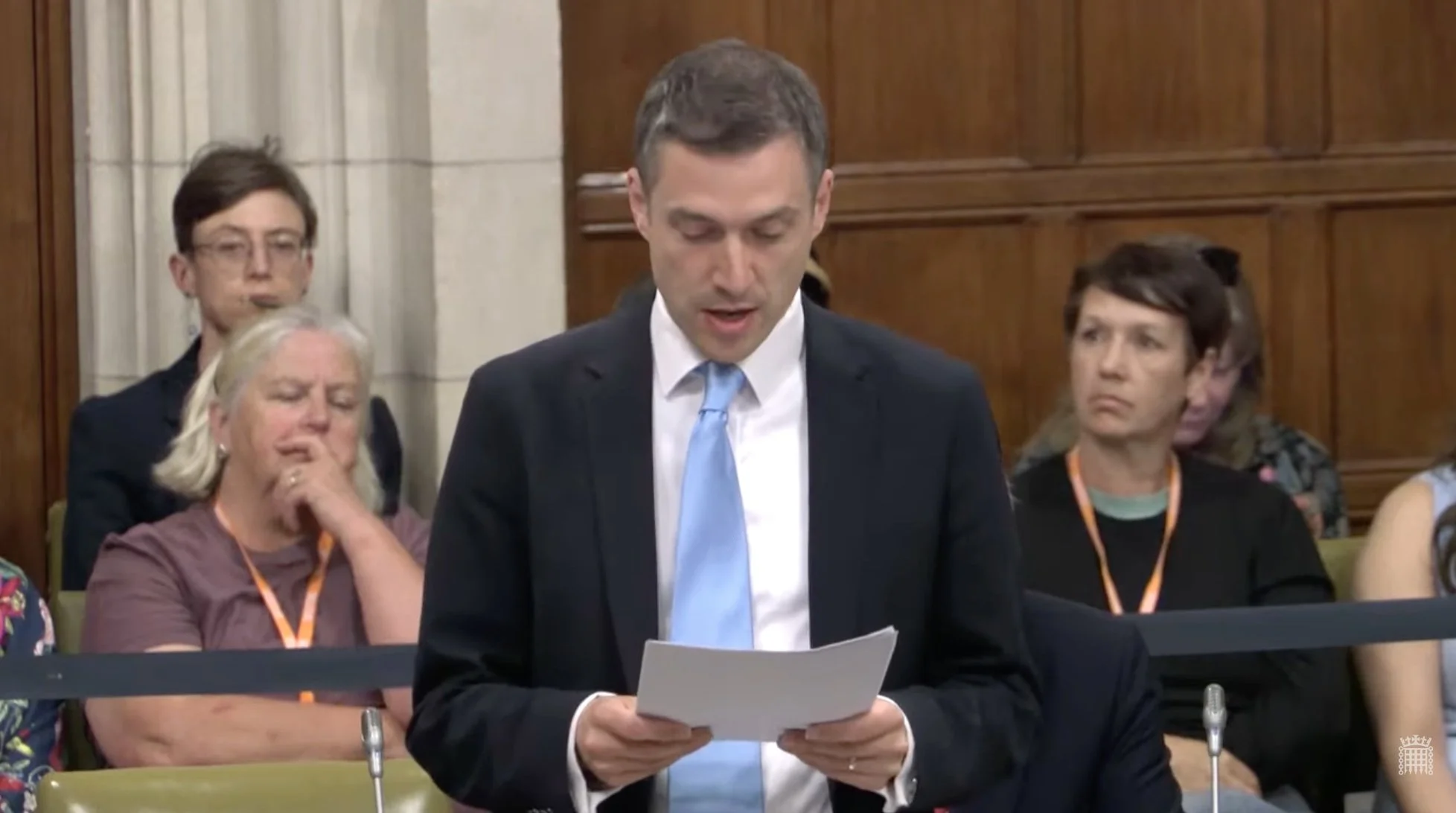
Adrian Ramsay MP via UK Parliament Livestream
Adrian Ramsay MP said that “behind these horrifying numbers are sentient beings,” a sentiment which often seems to be forgotten in discourses surrounding animal testing. Likewise, Olly Glover MP highlighted that evidence shows that the intellectual capacity of cats and dogs is like that of a young child.
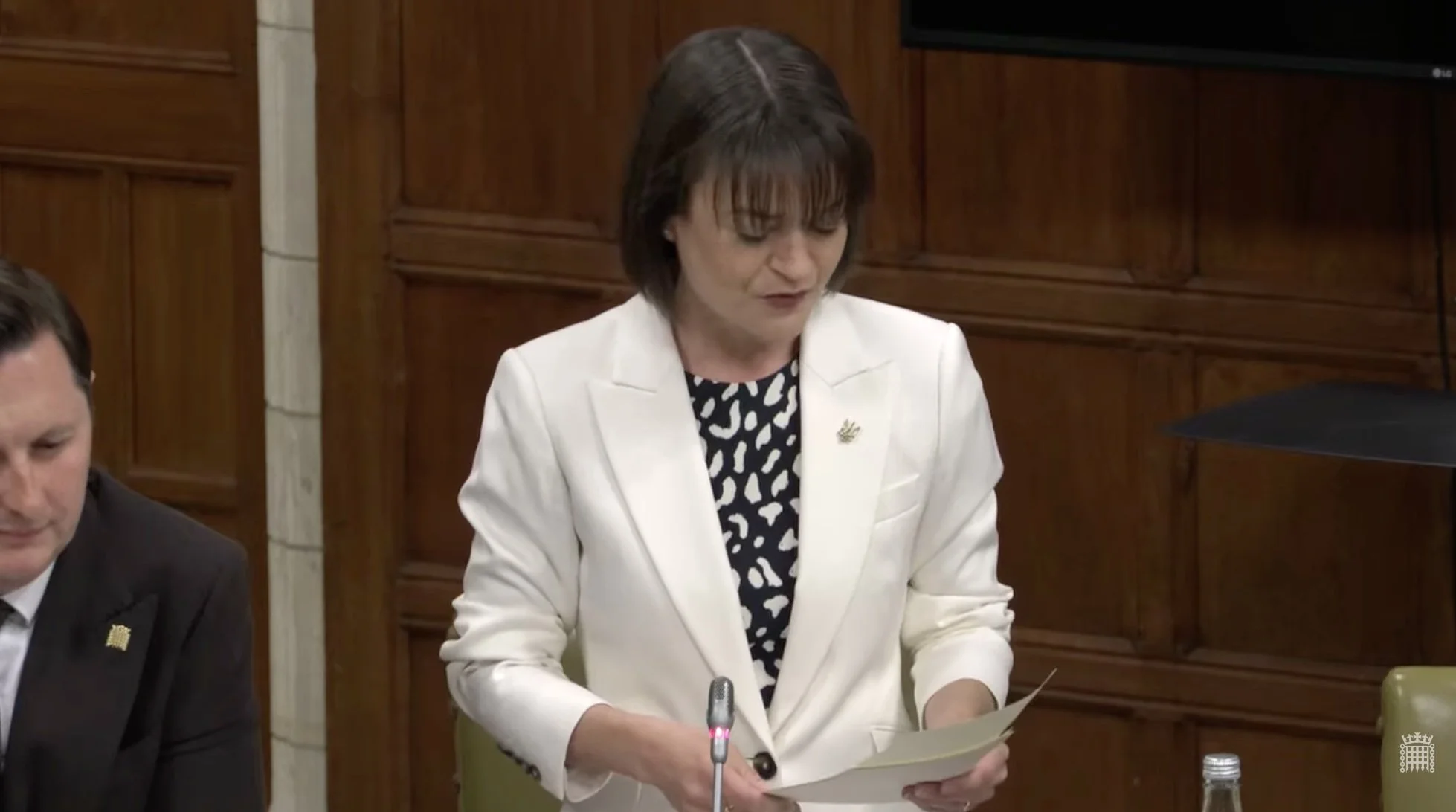
Johanna Baxter MP via UK Parliament Livestream
Johanna Baxter MP rightly pointed out that testing is “hidden from view” and noted the biological differences between dogs and humans, which she called “fundamental biological distinctions” that lead to inaccurate results. She also said that ‘behind the statistics is the unethical reality’ and that we can achieve compassion and progress at the same time, if we transition away from animal testing to NAMs as soon as possible.
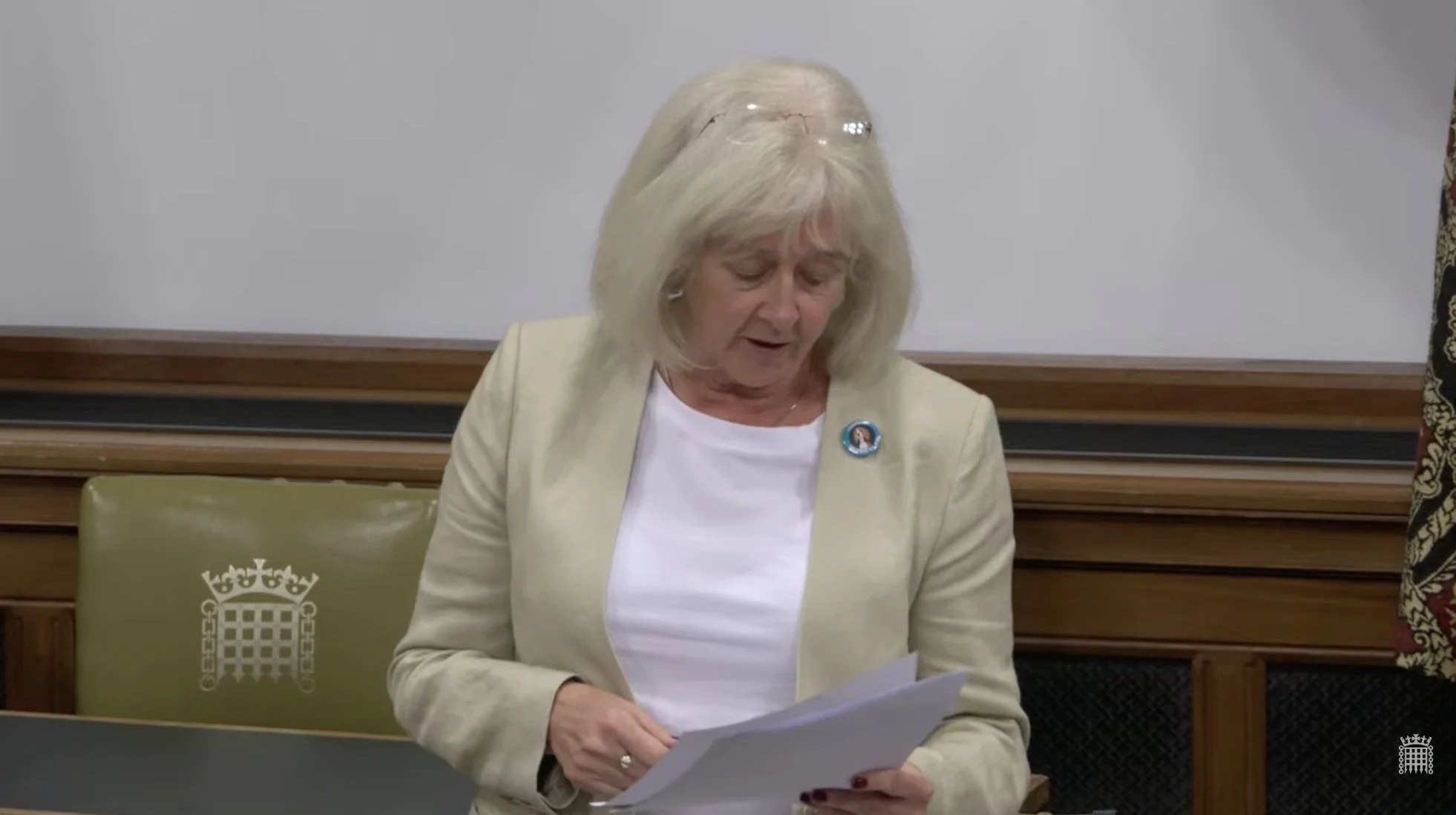
Ruth Jones MP via UK Parliament Livestream
Ruth Jones MP, among others, noted the high turn out in the public gallery for the debate, which signifies the large public interest in the state of animal testing in the UK. She called for targets to be embedded in law, the Animals in Science Regulation Unit (ASRU) to be reformed, as the welfare inspection regime seems to be a mere “box ticking” exercise rather than a genuine commitment to the 3Rs.
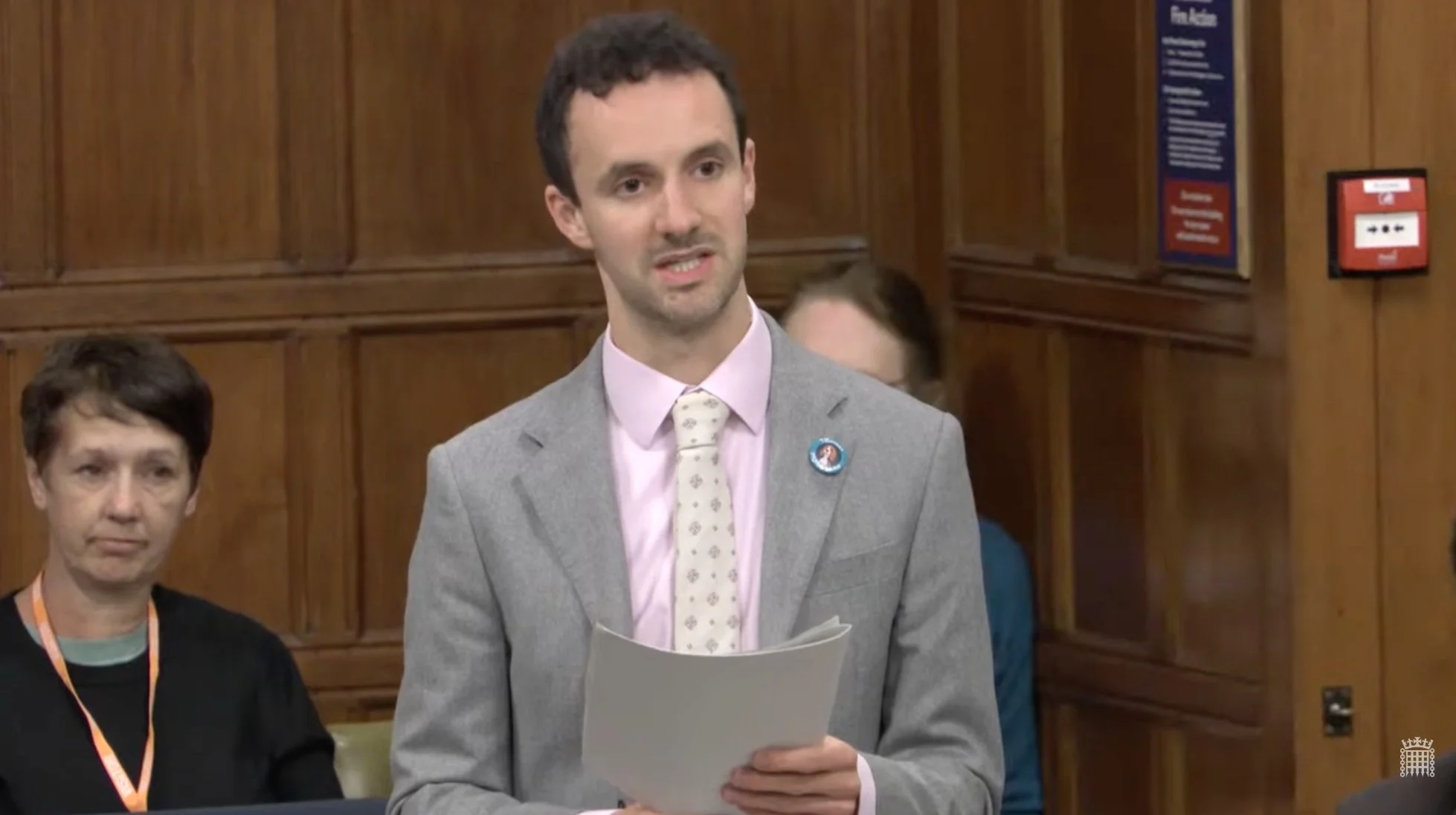
Chris Hinchliff MP via UK Parliament Livestream
Chris Hinchliff said ‘it is not enough to say the ends justify the means’ and that we cannot morally justify harming animals because we are an intellectually superior species. He rightly stated that if there were a species that were intellectually superior to us, we would not stand by as our loved ones were being tested on. He also made what might be one of the most important points of the debate: the scale of the suffering experienced by animals in labs should not out weigh the overwhelming suffering it is seeking to alleviate.
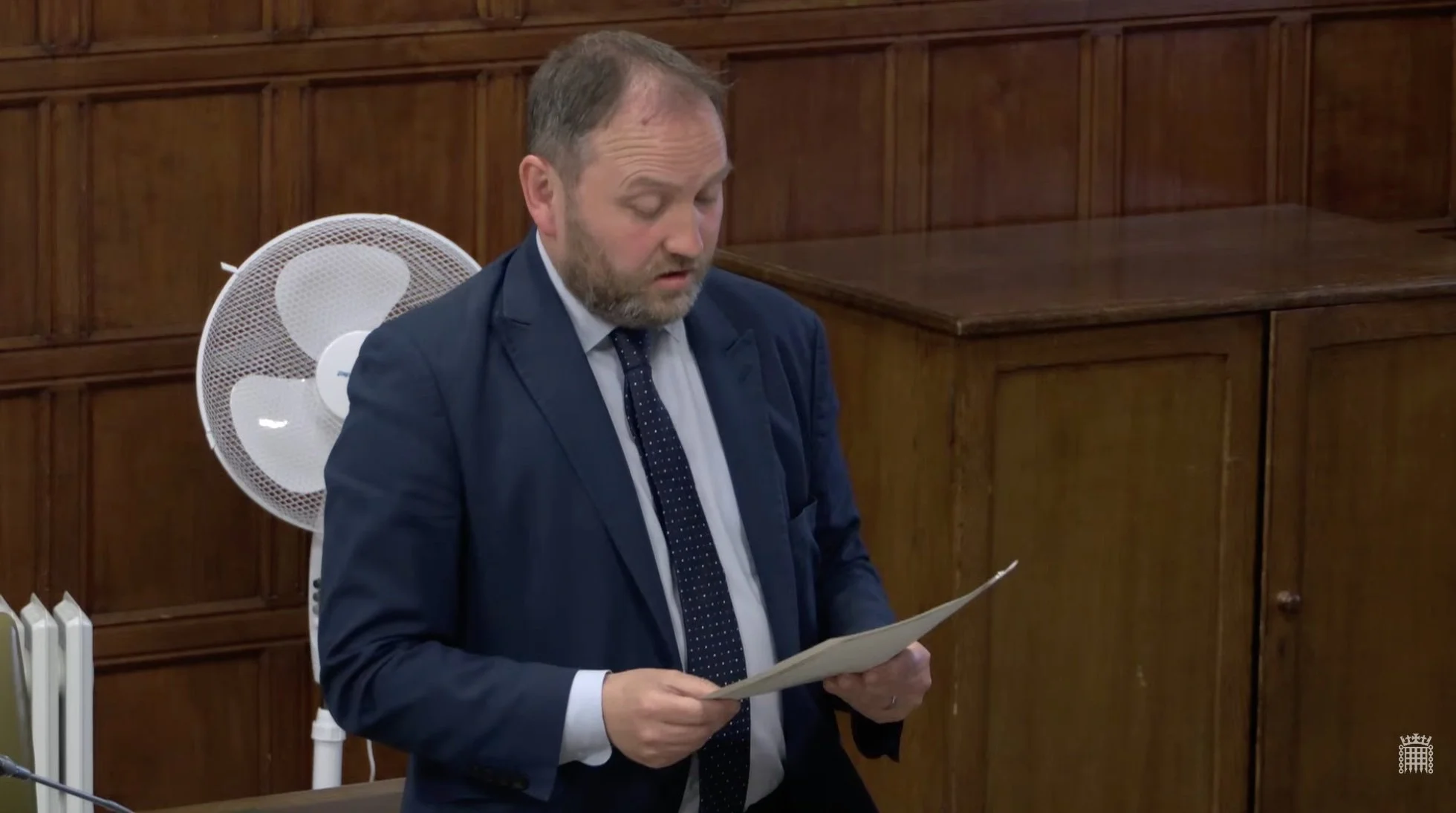
Ian Murray MP via UK Parliament Livestream
Ian Murray MP, Minister of State jointly in the Department for Culture, Media and Sport and the Department for Science, Innovation and Technology, delivered the Government’s response to the questions asked by MPs and it was predictable, to say the least. He referred repeatedly to the Government’s ‘Replacing animals in science strategy’, despite MPs voicing concerns over it not having clear targets embedded in law to ensure its delivery. Additionally, he noted that the Government does not support Herbie’s Law as it they cannot put in place “arbitrary timelines” and need “validated scientific research” before they can speed up the transition away from animal testing.
In his response, Ian Murray MP also said that testing in the UK requires to be continually held to highest standards of animal welfare and animals can only be used for “specific limited purposes.” He noted that dogs are protected species under the Animals (Scientific Procedures) Act 1986 (ASPA), they are needed specifically for certain tests and testing on them only authorised where “justification is robust.” Finally, he said that new technologies are not yet advanced enough and animal testing still serves a purpose, mentioning its role in the development of the COVID-19 vaccines.
In short: ‘animal testing is still a necessity.’
The many politicians who spoke today clearly have their own personal connections with animals and understand that subjecting any animal to suffering is wrong. The question remains; what will it take for the government to get the message that was presented today, that it is time for animal testing to be relegated to the past? Animal Concern and many others will not stop speaking up until that message gets through.