
On World Day for Laboratory Animals today, we are reflecting on the cruelty experienced by animals when subjected to the inhumane and traumatic practice of animal testing and thinking of what we can do to stop it.
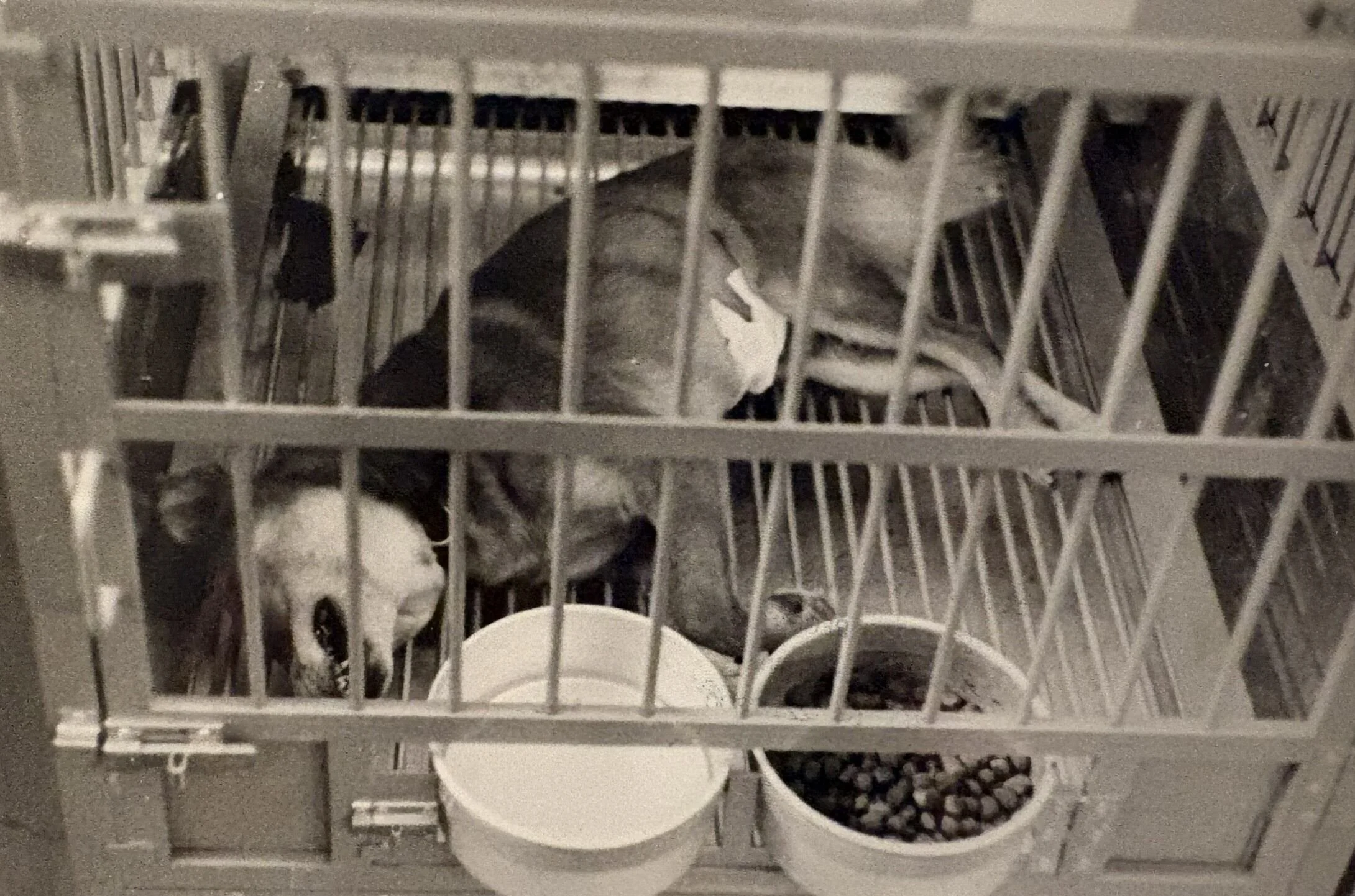
The realities of animal testing in the UK
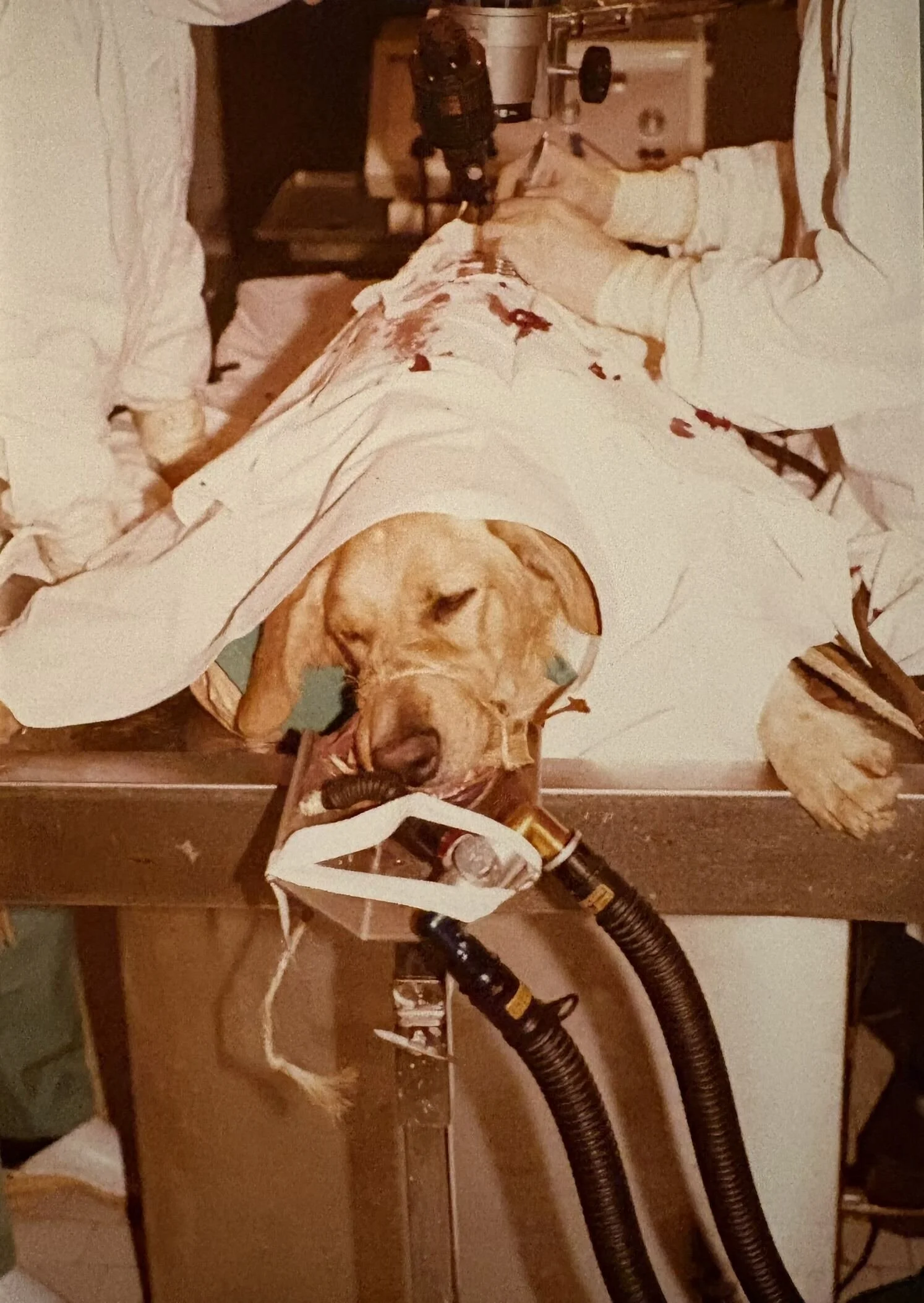
The Home Office reported 2.6 million tests were conducted on animals in British laboratories in 2024, with 1.2 million of these carried out for the creation and breeding of genetically altered animals, 48 thousand assessed as ‘severe’, 16 thousand were carried out on specially protected species (cats, dogs, horses, and monkeys), and almost 12 thousand LD50 procedures were carried out. LD50 (‘lethal dose 50’) experiments involves giving live animals increasing doses of a substance until half of them die, in order to inform scientists of a substance’s lethal dose.
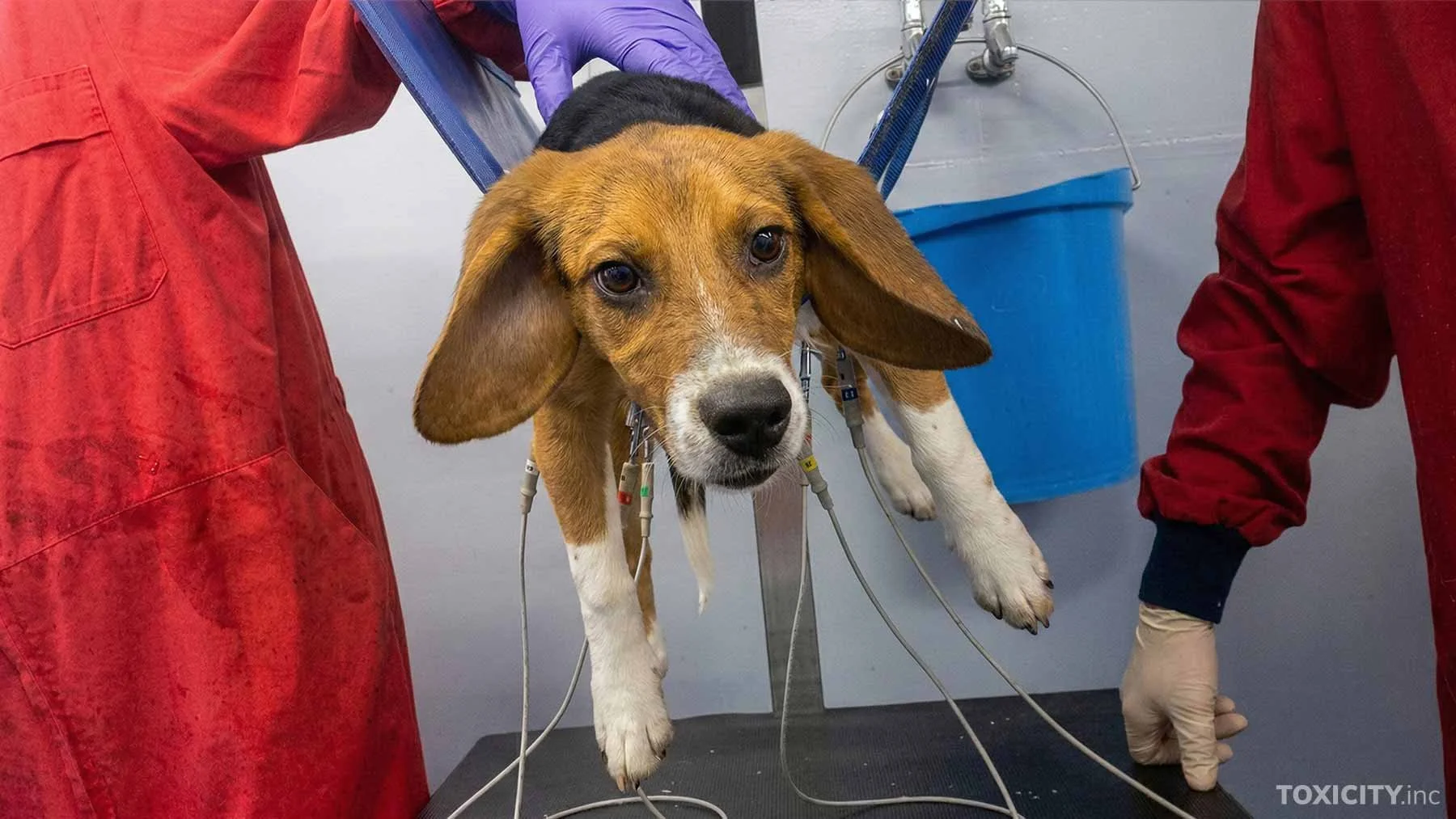
Photo from TOXICITY.inc
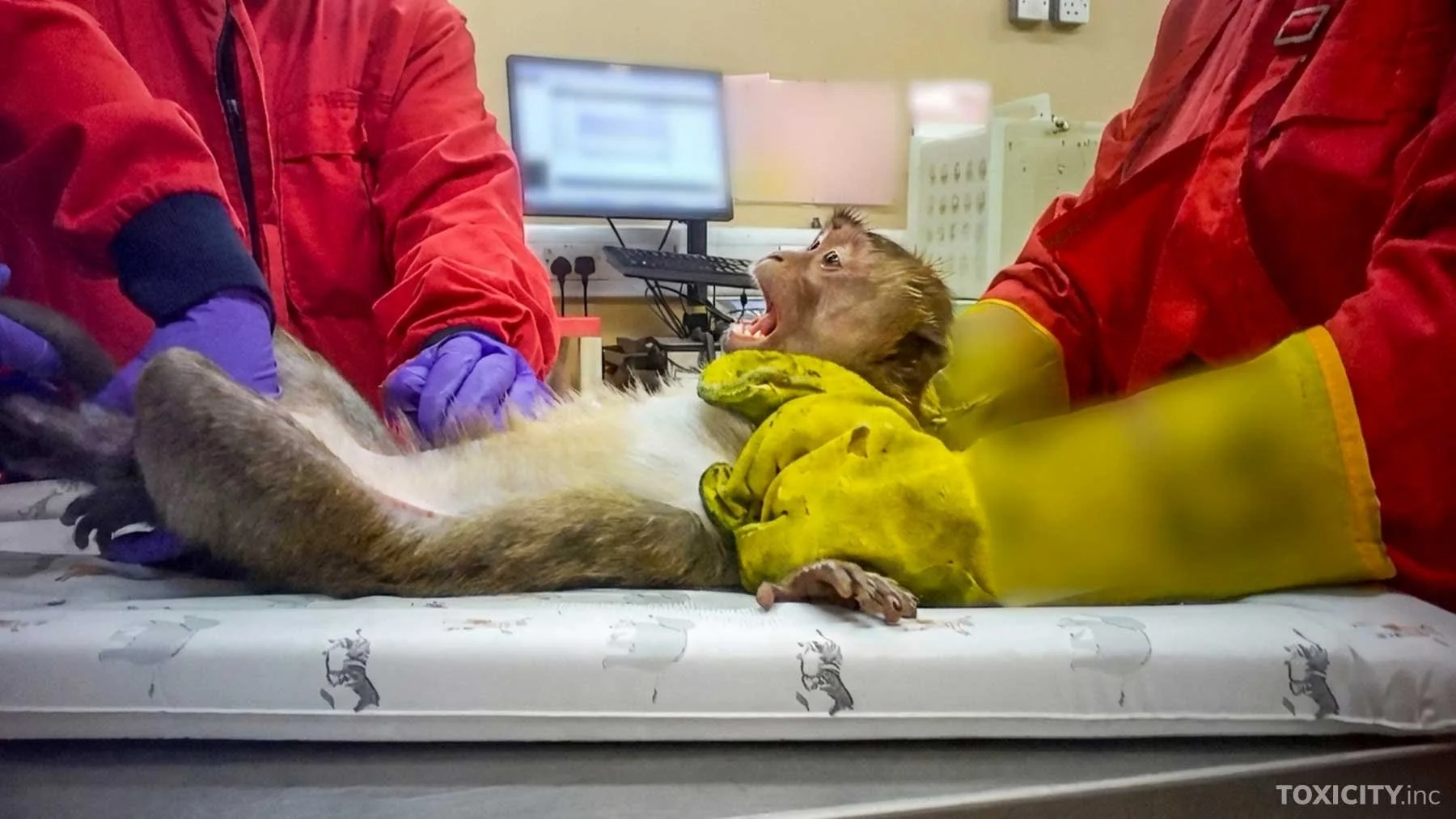
Photo from TOXICITY.inc
As part of their campaign to end animal toxicity testing, called TOXICITY.inc, Animals International and Animal Aid recently published extensive evidence of animal testing in UK laboratories, uncovering the cruelty that happens behind closed doors for the first time in 10 years. The evidence was gathered by a former lab worker across two testing plants, and involves the suffering of dogs, primates, rabbits, pigs, and rodents. The scenes are horrifying and expose the traumas animals experience when subjected to testing.
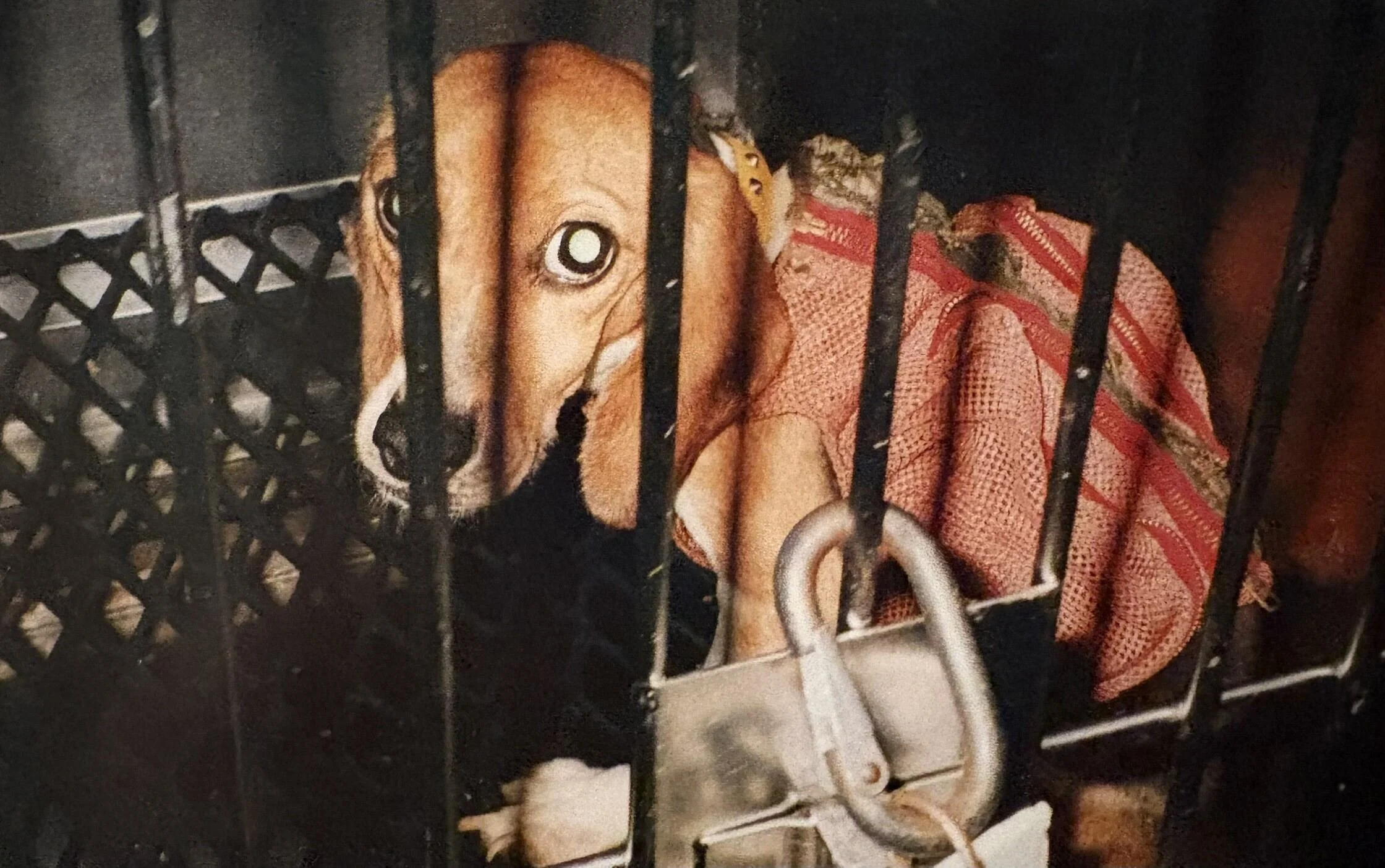
Beagles are the main dog breed used in animal testing in the UK, due to their gentle and docile manner. In 2024, 2646 regulated experiments were carried out on dogs in the UK, with 2488 of those tests involving beagles, and 1549 beagles were bred specifically for testing. One CFI investigation, carried out in 2013, found that puppies as young as 5 weeks old were being killed within a laboratory while researching veterinary medicines.
Government plans to phase out animal testing
The Government’s recently published ‘Replacing Animals in Science strategy’, announced in November 2025, sets out plans to phase out animal testing in the UK. The strategy introduced a roadmap for alternative methods, developed by the Government, in consultation with life science experts, businesses and animal welfare organisations. Animal Concern has previously noted that since the strategy does not include deadlines or laws to underpin it, it risks becoming a mere symbolic commitment that does not achieve meaningful change in practice.
The government petition ‘End testing on dogs and other animals for development of products for human use’ has already reached over 110,000 signatures, with the government’s response being “The use of animals for development of products for human use remains necessary. The Government therefore does not agree to end testing on dogs and other animals for testing and research purposes.” This response does not address the lived reality of the animals being tested on and endorses ongoing practices that cause extreme and unnecessary suffering.
The debate in the House of Lords in January heard disturbing accounts of non-compliance incidents around animal testing in laboratories, with the discussion centred around what happens when the limited protections put in place to protect animals in testing facilities are not upheld. Previous petitions to end testing on animals have gained significant support, with the petition to Ban immediately the use of dogs in scientific and regulatory procedures reaching over 257,000 signatures, suggesting that the UK public opposes the use of animals in testing.
A debate on the petition is scheduled for Monday the 27th of April and provides an opportunity for MPs to reflect the growing consciousness of the British public and its opposition to the use of animals in testing.
Take action
Supporters can use the tool on TOXICITY.inc’s website to contact MPs to let them know that you don’t agree with animal testing and that, instead, you support animal-free science. What better way to celebrate this year’s World Day for Laboratory Animals? Let’s show the UK Government that animal testing has no place in our country.