On the 25th August, 2026, the Scottish Government finally published the revised Equine Guidance, in which it states;
'Equids should not have their tail hair shaved or have the majority of it removed unless there is a clear veterinary or welfare reason.'
Having campaigned on this for the past three years, providing evidence to the Scottish Government showing the importance of tails to horses, we are thrilled to see this published in the Welfare of Equids: Guidance!
Horses across Scotland now have a chance of not having their tails shaved off for purely cosmetic reasons - if responsible horse owners follow the guidance - and that is something to celebrate.
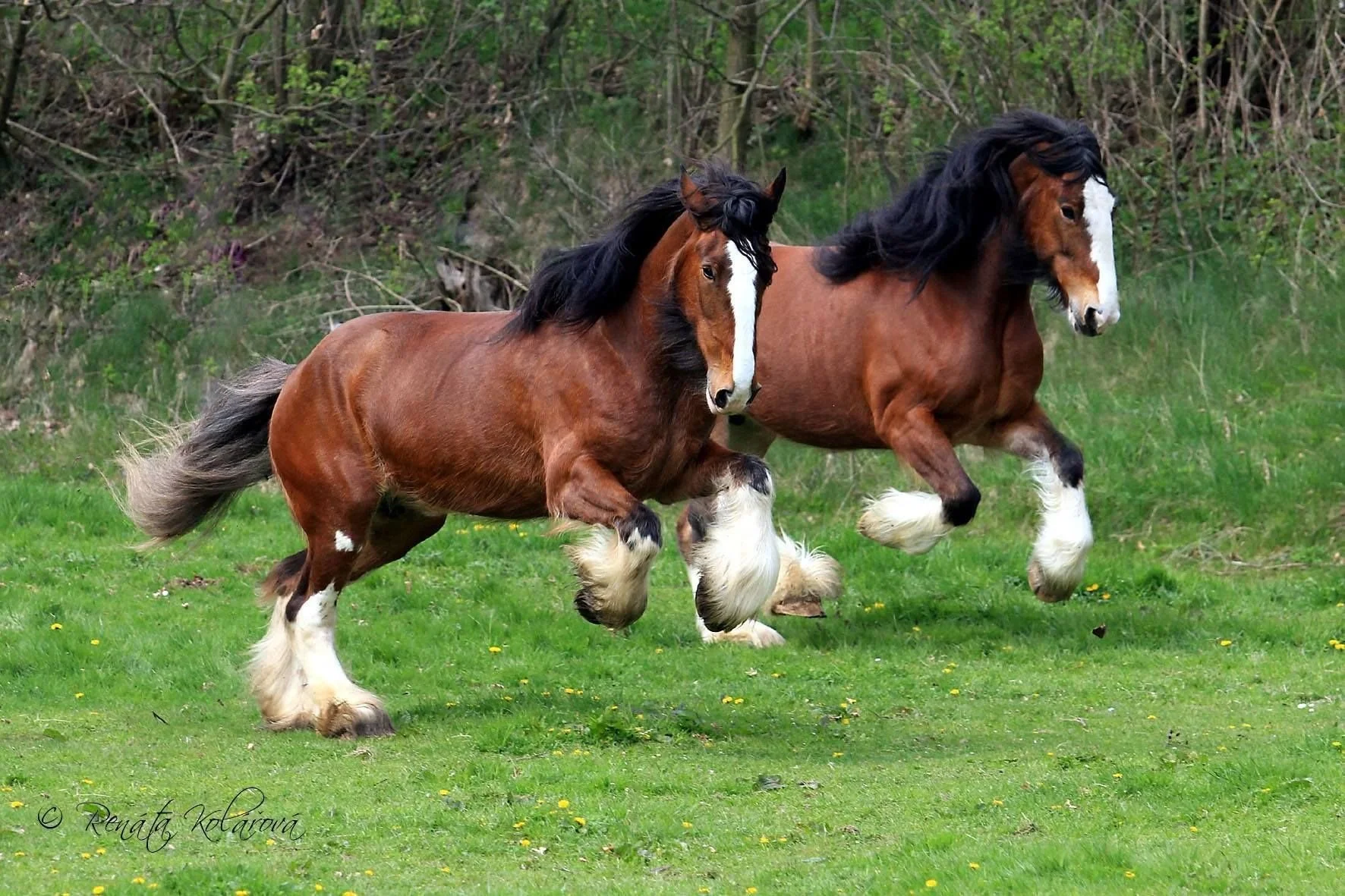
Many heavy horse owners in the UK have long clung to the practice of removing the majority of tail hair from Clydesdale and Shire horses in the name of tradition, with foals as young as 6 months old being deprived the use of their tails to better show off the hind end at horse shows.
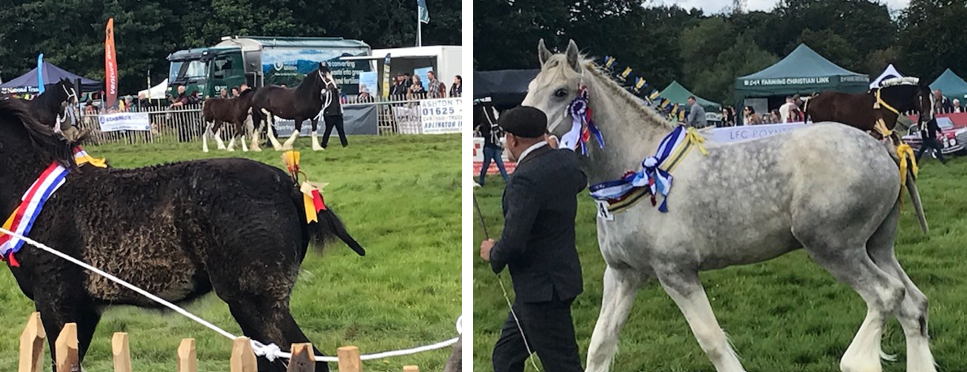
(Shire foals at a show aged 5 and 7 months.)
The equine working group of the Scottish Animal Welfare Commission considered the evidence condemning the practice of shaving the tail hair off horses and made the right decision to include it in the guidance.
This will lend itself to encouraging a shift in the mindset of heavy horse owners, and hopefully in a few years (noting the already shaved tails will need that long to grow out) we'll be seeing more beautiful flowing and artfully plaited tails as shown in the images below …
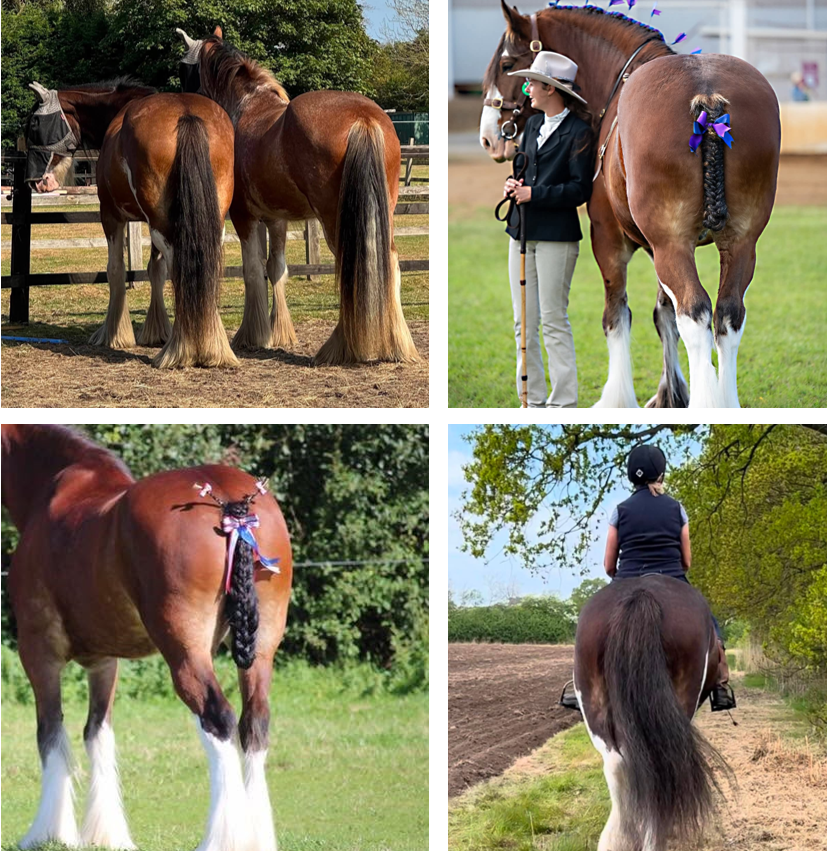
... and less of the barbarous act of creating the unnatural tails seen too frequently on the showground;
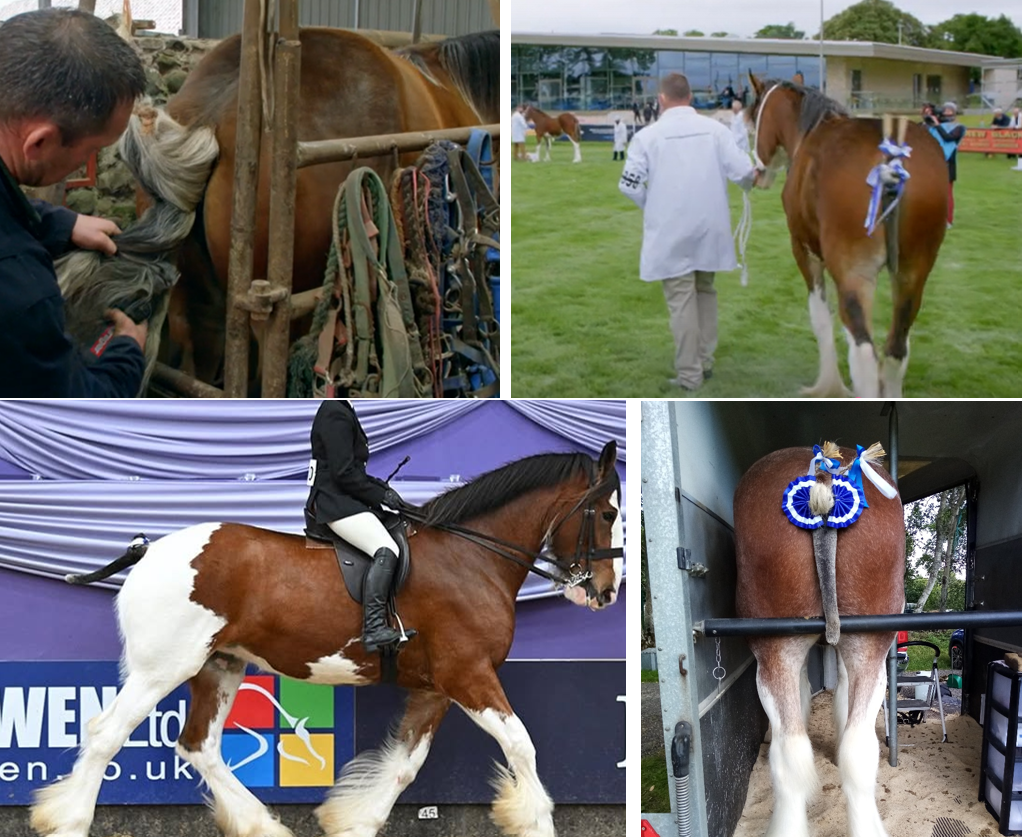
The guidance states;
“… there are certain areas of hair, particularly the tail, that should not be removed as this is detrimental to welfare…”
and goes on further to state;
“An equid’s tail is extremely important and useful in terms of communication and maintaining health. Equids use the tail to remove flies from around their bodies, as well as in communication with other equids and handlers.
Horses have evolved with tails for good reason, from swatting away pests to communicating with each other. To deprive them of this essential part of their body cannot be defended any longer.
That being said...
Sadly, some of the institutions there to protect these beautiful animals that are an iconic part of Scottish history have been unsupportive, making clear that they are determined not to have anyone tell them how to present their horses' tails, coming up with excuses beyond tradition to continue shaving tails.
It has already been recognised through the 1949 ban on the docking and nicking of horses tails that removing the tail of a horse is inhumane. In Hansard’s record of the Docking and Nicking Bill hearing, it states;
“The horse's tail is nature's instrument to remove flies and to give the hind parts of the animal warmth. On the forward parts of the animal there is provided by nature a fly muscle, and the animal has the power to twitch this muscle when flies alight on its skin and thus remove them; but the fly muscle does not extend to the hind quarters, and that is why nature gives the animal a tail so that it can swing it and scare the flies off its hind quarters and buttocks. When a horse is docked, normally at least four inches of its tail are removed, and it is from the last four inches of the tail that the long hairs grow. Shorter hairs grow higher up the tail. When the poor brute is docked, it can never get a long tail with which to flick away the flies.“
The Scottish Government has the ability to follow through on existing legislation which already notes the importance of the tail to a horse, and move beyond guidance to legislation to ensure that horses are not deprived the use of their tails through the practice of shaving off the tail hair.
We will be keeping a close eye on how effective the guidance is, and pushing for government to legislate a ban on tail shaving if horse owners follow through on the statement "no one can tell us how to present our horses!"
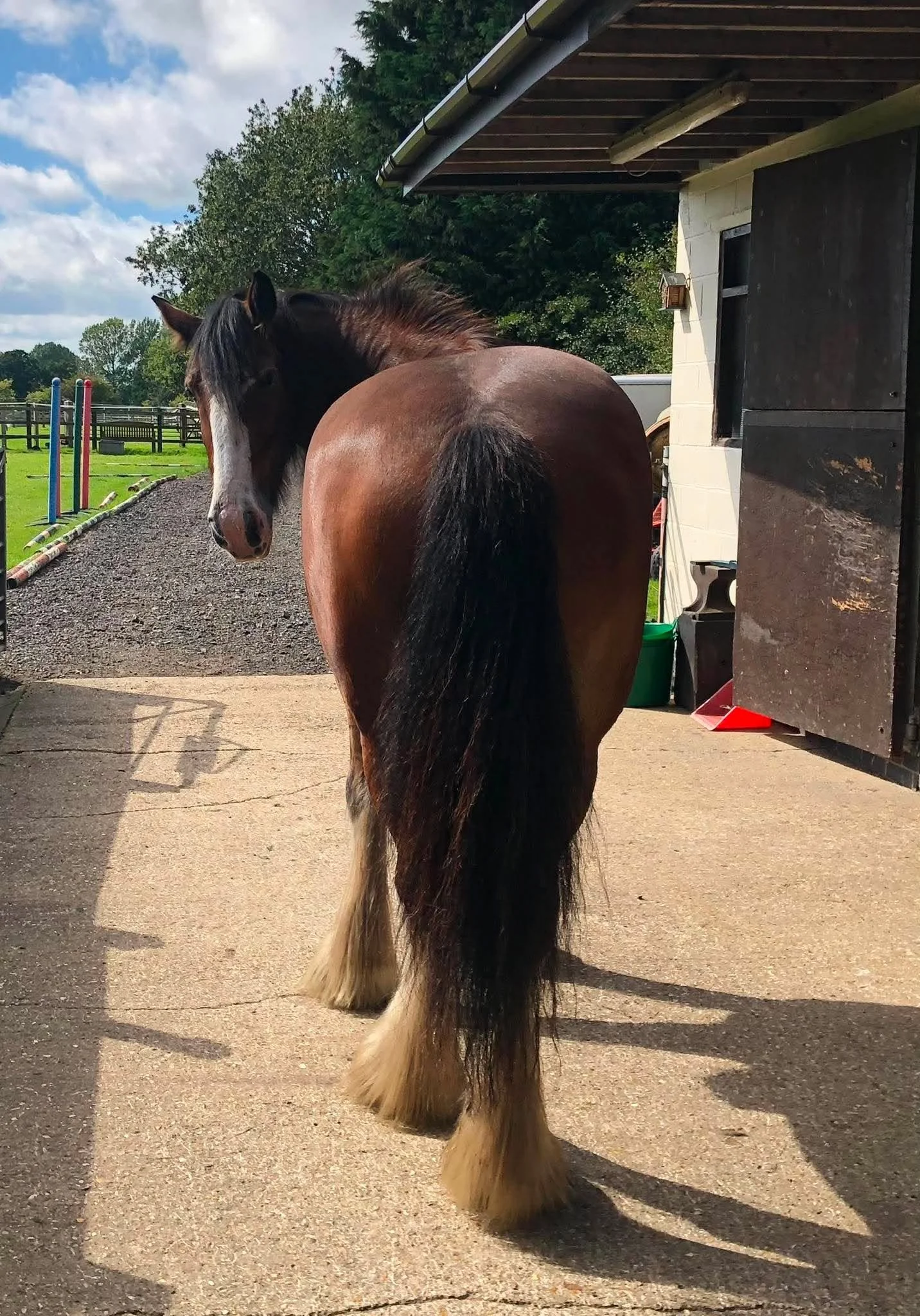
(Photo courtesy of ‘Samson the Clydesdale’)